
Best fencing drills from professional fencers you can easily practice every day.
Fencing is a dynamic sport that demands not only physical agility but also sharp mental acuity. To achieve excellence, fencers must engage in targeted drills that hone their skills and strategic thinking.
As two-time Olympian Race Imboden reflects, "Bridging the gap between fencing-as-passion and fencing-as-competition was a process for me, and remains a duality I am trying to balance." (Source: theplayerstribune.com)
This balance underscores the importance of structured practice in turning passion into competitive success. Regular, disciplined training refines technique, builds endurance and sharpens mental focus, enabling fencers to stay composed under pressure. By practising specific drills consistently, athletes develop the muscle memory and strategic awareness to react instinctively during matches.
Let us focus on the drills that get you there.
Best fencing drills and training tips for daily practice
1. Footwork drills
Footwork is crucial for positioning, balance and mobility. Practising it daily enhances agility and reaction speed.
- Advance and retreat drill: controls distance and movement fluency.
- Lunge repetitions: strengthen leg muscles and refine attack execution.
- Directional changes: improve adaptability when facing an opponent.
- Cone drills: sharpen precision in foot placement and quick adjustments.
- Speed-ladder drills: boost agility and reflex speed.
- Acceleration sprints: improve fast starts and quick step-backs.
- Endurance footwork sets: prolong effective movement over long bouts.
Good footwork starts from the ground up. The right shoe gives you the grip and stability these drills demand: explore our fencing shoes for adults, and for a structured progression see 7 fencing drills to improve footwork and reaction time.
2. Bladework drills
Precision and speed in blade movements determine a fencer's offensive and defensive effectiveness.
- Wall target drill: improves accuracy and consistency in attacks.
- Parry and riposte drill: develops defensive reflexes and counterattack timing.
- Feint attacks: train deceptive movements to mislead opponents.
- Point control drill: improves fine motor control in precise blade placement.
- Timing exercises: enhance reaction and control during engagements.
3. Distance control drills
Understanding and managing distance is key to effective fencing.
- Shadow fencing: simulates match conditions without a partner, improving awareness and positioning.
- Reaction drills with a coach: help you predict and respond to attacks.
- Controlled sparring: applies footwork and bladework under realistic conditions.
- Precision distance training: teaches exact requirements for engaging and disengaging.
- Partner distance drills: build real-time adaptability.
- Measuring-reach exercises: ensure you know your effective attack range.
As The Fencing Coach notes, proper distance keeps you "beyond the direct reach of the opponent while being close enough that you can easily threaten your opponent with your point without having to get too close." (Source: thefencingcoach.com). That is exactly why these drills matter.
4. Endurance and conditioning drills
Maintaining mental and physical endurance is crucial at the highest level, alongside rapid reactions and explosive power. Effective options include:
- Jump squats and plyometrics: improve explosive power for lunges.
- Core-strengthening exercises: enhance balance and stability.
- Interval sprints: build endurance for prolonged bouts.
- Circuit training: develops full-body strength and stamina.
- Mobility exercises: help prevent injuries and improve flexibility.
- Isometric holds: reinforce muscular stamina during long matches.
- Weighted drills: improve strength without compromising agility.
5. Mental preparation drills
Beyond physical training, fencing requires sharp mental focus and quick decision-making.
- Visualization techniques: help anticipate opponent movements.
- Reaction-time drills: train split-second decisions.
- Breath-control training: improves focus and composure during bouts.
- Mindfulness exercises: build mental endurance and resilience.
- Match-simulation training: improves strategic planning and execution.
- Pre-bout mental rehearsal: builds confidence and reduces nerves.
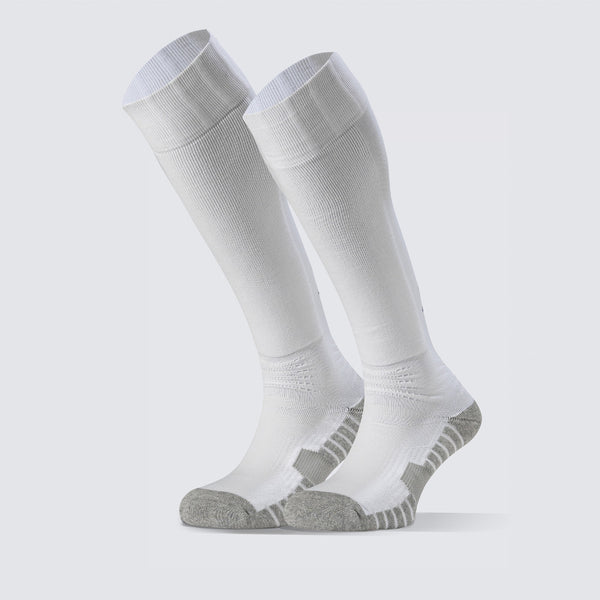
Daily practice of structured drills sharpens technical skill, reaction speed and strategy. By focusing on footwork, bladework, distance, conditioning and mental preparation, you build a well-rounded game. Keep your feet fast and protected with a fresh pair of fencing socks and the right fencing shoes, and pair these drills with our ultimate guide to fencing footwork. Want more training tips? Subscribe to the Azza Sports newsletter.