

7 Fencing Drills to Improve Footwork and Reaction Time
Looking for the best fencing footwork drills to sharpen your speed and reaction time in 2026? Footwork is more than a way to get from point A to point B. It controls distance, timing and recovery. Experienced coaches note that your hands can only be as fast as your feet are reliable; without good footwork, even the most beautiful parry-riposte loses meaning. The seven fencing footwork exercises below were chosen because they are practical (doable solo with minimal kit), scalable (easy to make harder as you improve) and useful in club training. Use them to build the speed, balance and endurance that win touches.
The 7 Fencing Drills at a Glance
- Short-range advance–retreat: 2-minute sets, builds tempo control
- Single-lunge repeat: 3 × 10, builds leg power and recovery
- Ladder quick-feet: 3 × 30 s, builds foot speed
- Lateral shuffle + flick: trains angle entry and blade prep
- Reaction ball / partner cues: trains decision speed
- Tempo change drill: 3 × 2 min, breaks opponents' rhythm
- Recovery sprint: 5 × 10 m, builds endurance for repeated actions
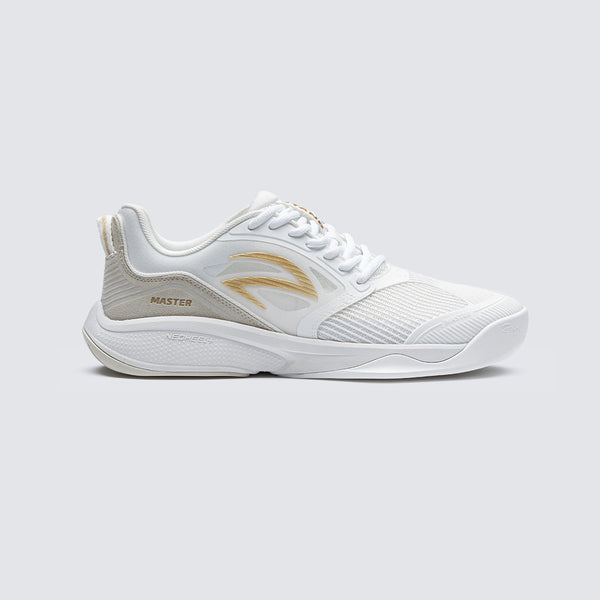
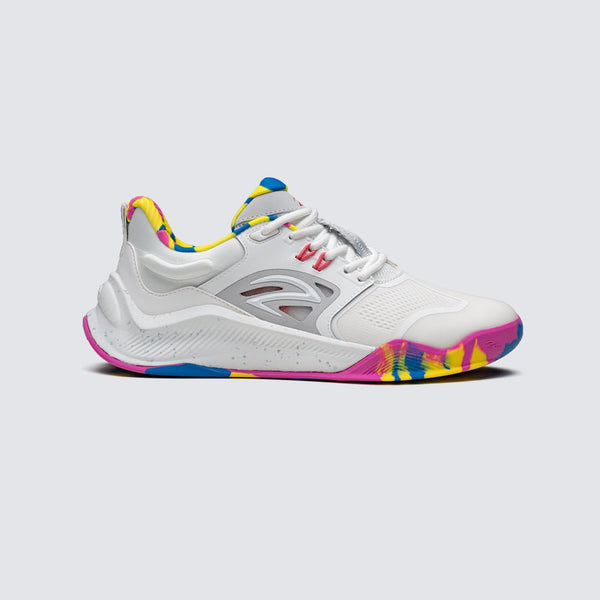
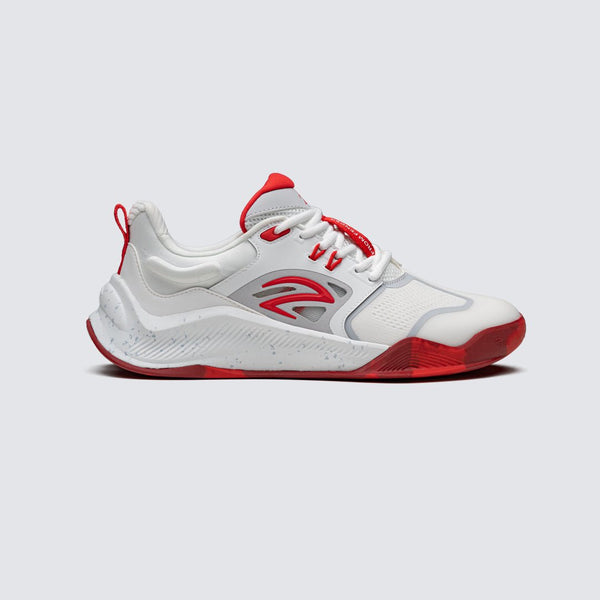
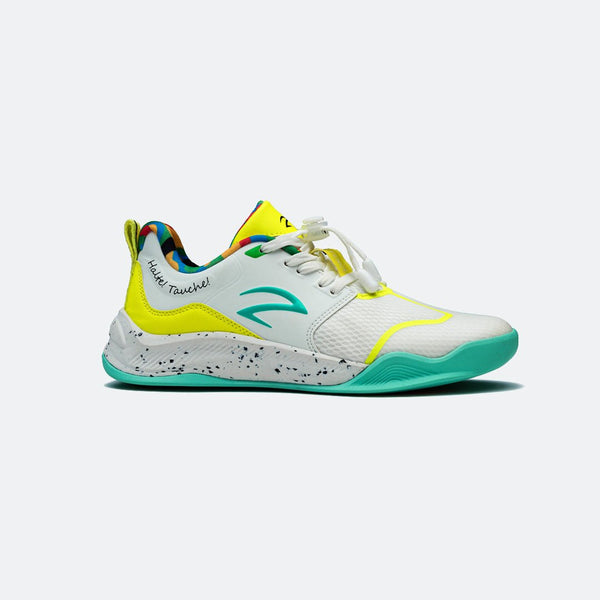
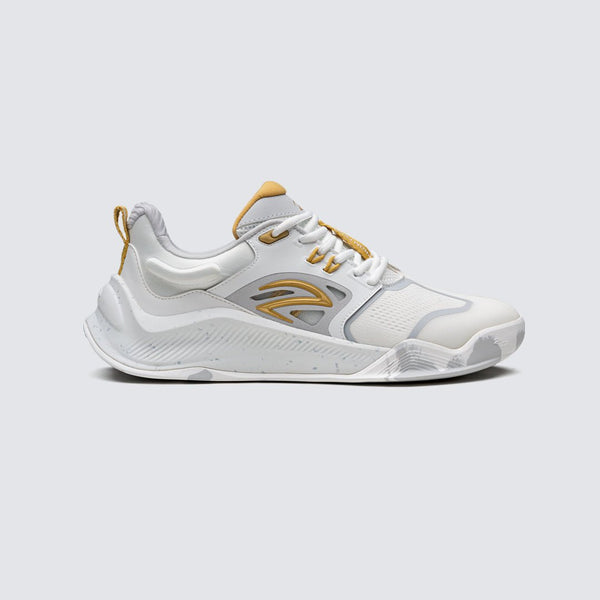
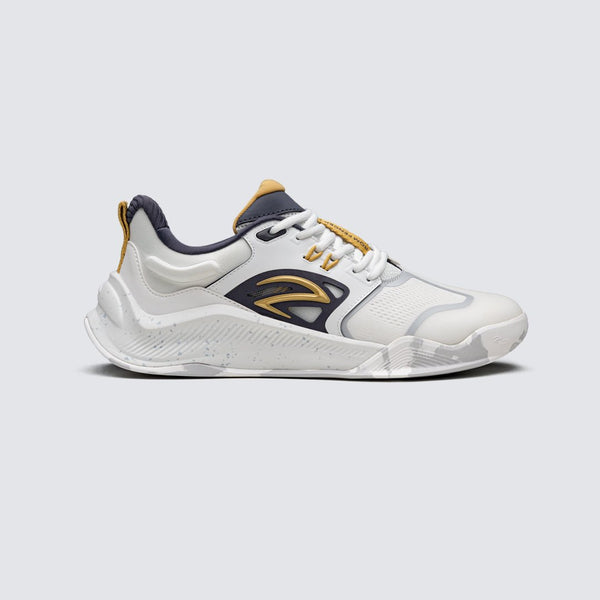
The Foundation of Reliable Footwork: To execute quick advances and stable weight distribution safely, you need specialized outsoles that grip the strip flawlessly. Explore footwear built specifically for fencing dynamics.
Shop Adults Fencing Shoes Shop Kids Fencing Shoes Explore Fencing SocksWarm-up: dynamic mobility (3–5 minutes)
Always start with a short dynamic warm-up to prime your joints and nervous system. Hip swings, ankle circles, light lunges and heel-toe walks increase blood flow and lubricate the joints. Fencing coaches emphasise starting from a solid stance; warm-ups help you achieve the low, balanced position required for explosive movement. Spend three to five minutes here before moving to drills.
7 Fencing Drills to Improve Footwork and Reaction Time
1. Short-range advance–retreat (2-minute sets)
Mark a 1.5–2 m strip on the floor. From en-garde, explode forward with a short advance for one count, then retreat under control for two counts. Focus on keeping your advance tight and maintaining balance as you recover. Small, quick steps are key: large strides can disrupt your stance and slow your reaction. Repeat for two minutes, rest briefly and repeat for 3 sets.
2. Single-lunge repeat (3 × 10)
From en-garde, perform a clean lunge: push from the back leg, extend your front leg, and land with the knee above the ankle. Immediately step back into guard. Maintain tempo by exploding on the lunge and controlling the step back. This drill builds leg power and teaches you to reset quickly after an attack, a foundational fencing basic footwork skill.
3. Ladder (or taped) quick-feet (3 × 30 s)
Tape a ladder pattern on the floor or use a jump rope laid out in a zigzag. Move through the pattern with fast, small steps while keeping a low centre of gravity. Drills that emphasise rapid forward and backward steps within a marked area are recommended for developing speed and reducing hesitation. Complete three sets of 30 seconds with short rests.
4. Lateral shuffle + flick (partner optional)
Many fencers neglect lateral movement, yet sidesteps and shuffles expand your tactical options. Shuffle sideways for three to four counts, then execute a short attack, such as a flick or straight thrust, and recover. If you have a partner, they can hold a target for your flick; if not, aim at a spot on the wall. This drill trains angle entry and blade preparation, key skills for breaking through linear patterns.
5. Reaction ball drill (partner or coach)
Reaction time is as important as speed. Have a coach call "left", "right", "back" or "forward" at random and respond with a corresponding advance, retreat or lunge. If you train alone, bounce a tennis ball and react to its trajectory, or use a training app with random auditory cues. Drills that vary timing and step size develop smooth transitions and prevent telegraphing intentions. Focus on moving only when the cue comes and returning to guard after each action.
6. Tempo change drill (3 × 2 min)
Alternate between slow, measured steps and sudden fast accelerations on command. Controlling rhythm and distance is critical in competition. The fencer who can change speed unexpectedly often prevails. Have a partner call "slow" or "fast" at intervals; if training solo, use a metronome or timer. This drill trains optic-motor coupling and decision speed.
7. Recovery sprint (5 × 10 m)
After a lunge, immediately sprint back to the start line (about 10 m) and return to guard. Repeat five times. This drill builds endurance for repeated actions and emphasises quick recovery. Good recovery efficiency, returning to a balanced stance with minimal wasted motion, is a hallmark of elite footwork.
Tips for progression and safety (especially for fencing drills for beginners)
- Increase volume before intensity: Add sets and reps before making moves faster or more explosive.
- Focus on form: Maintain proper stance, knee alignment and weight distribution throughout. Practice in front of a mirror or record yourself to monitor technique.
- Respect your body: If you have knee or ankle issues, keep movements pain-free and consult a physiotherapist or coach before increasing intensity. Warm-ups and proper stance help protect joints.
- Footwear matters: Drilling in everyday trainers compromises lateral stability. Proper fencing shoes with reinforced lateral support save your knees over thousands of lunges.
A 20-minute, three-times-a-week fencing drill routine
A simple session could look like this:
- Warm-up: 3–5 minutes dynamic mobility
- Ladder quick-feet: 30 seconds × 3 with 15 seconds rest
- Single-lunge repeat: 3 sets of 10 reps
- Reaction drill: 3 sets of 1 minute, using partner cues or a tennis ball
- Recovery sprints: 5 × 10 m
- Cool down: 2–3 minutes of stretching or light walking
Perform on non-consecutive days (e.g., Mon–Wed–Sat) to allow recovery while still reinforcing movement patterns. Pair with deliberate practice habits from our guide on how to improve fencing skills for compound gains.
Optimize Your Training Sessions: High-intensity speed drills and recovery sprints demand high-performance apparel that moves with you. Stay cool and dry during rigorous routines.
Explore Active Wear Get a Cooling Towel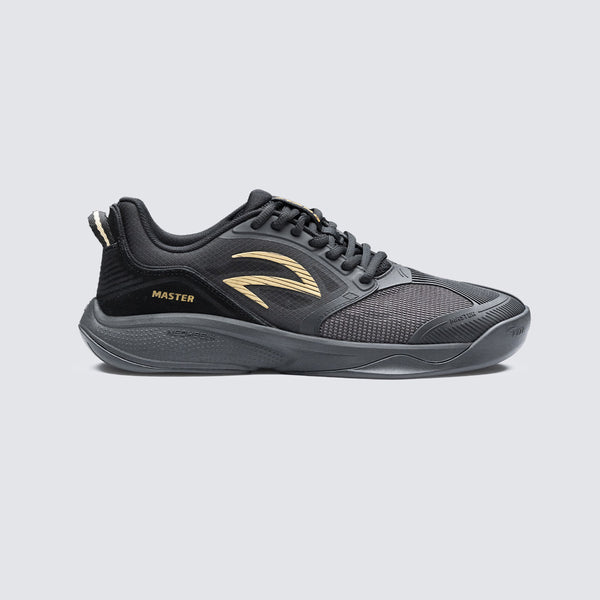
Frequently asked questions about fencing drills
How often should you do fencing drills?
Three sessions per week of focused 20-minute drill work is the sweet spot for most fencers, enough to build adaptation, not so much that it impacts club bouting. Tournament-level fencers often drill daily, but they break up footwork days, reaction days and physical conditioning days. Beginners should start at 2 sessions per week and add a third after 4–6 weeks.
Can you do fencing drills alone?
Absolutely. Most of the seven drills above (advance-retreat, single lunge, ladder quick-feet, lateral shuffle, tempo change, recovery sprints) work perfectly solo. Reaction drills can be adapted using a bouncing tennis ball or a free random-cue smartphone app. The two areas that require a partner are real-time blade work and bout-condition tactical drills.
What are the best fencing drills for beginners?
For beginners: drills 1 (advance-retreat), 2 (single-lunge repeat) and 7 (recovery sprint) are the highest priority. These build the stance, leg power and recovery habits that everything else stacks on top of. Skip the lateral shuffle (drill 4) and tempo changes (drill 6) until your basic advance-retreat-lunge mechanics feel automatic.
How long should a fencing drill session last?
20–30 minutes of dedicated drill work is ideal. Past 45 minutes, technique degrades from fatigue and you're reinforcing bad form rather than good. If you want more volume, split drills across the morning and evening (footwork in the morning, reaction in the evening) rather than one long session.
What are good fencing warm-ups before drills?
A solid 3–5 minute fencing warm-up includes: hip swings (front-back and lateral), ankle circles, light walking lunges, heel-toe walks, 30 seconds of shadow advance-retreat at 50 % intensity, and a few slow lunges to open the hip flexors. Skip static stretching before drills. Save it for the cool-down.
Where to go next
- Deeper movement theory: The ultimate guide to fencing footwork covers every pattern in depth.
- Practice habits: Compounding gains from how to improve fencing skills.
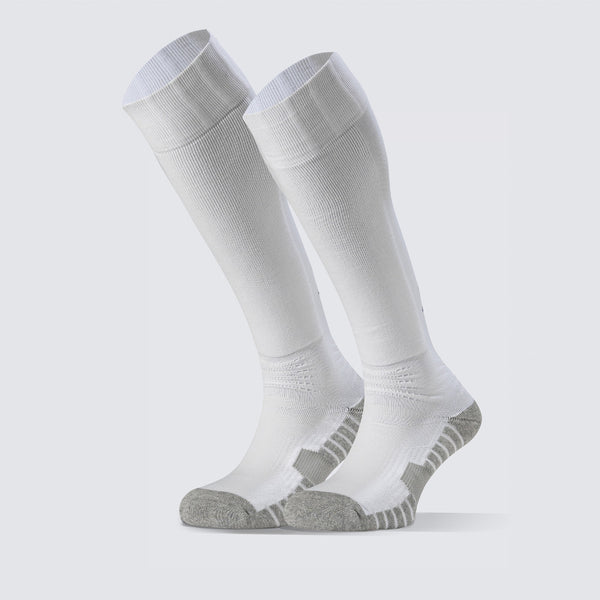
- Gear: Browse fencing shoes and long fencing socks, the closest gear to your footwork.
Footwork is the engine that drives every touch. By integrating these seven fencing drills into your routine three times per week in 2026, you'll develop the speed, balance and reaction time required to control the bout. Mastering footwork is a progressive journey: build a solid stance, refine movement patterns and gradually add speed. Without reliable footwork your blade skills lose their impact. Through consistent practice, you'll transform footwork from a weak link into a competitive advantage.
Keep Your Edge: Intense footwork sessions accumulate dust and sweat on your gear. Keep your outsoles perfectly clean for maximum track traction.
Shop Shoe Cleaning Kits View All Collections