

The Ultimate Guide to Fencing Footwork: From Basics to Advanced Movement Patterns
Solid fencing footwork is what separates technically skilled fencers from the ones who actually win bouts in 2026. Footwork underpins timing, distance and recovery. Without it, the most beautiful parries and ripostes are wasted. This complete guide walks you through stance, the core movement patterns (advance, retreat, lunge, balestra, flèche), fencing footwork drills for every level, common errors and a 12-week progression plan you can actually follow.
The 7 Core Fencing Footwork Patterns (Quick Reference)
- Advance: short push forward, lead with the front foot.
- Retreat: controlled step back, lead with the rear foot.
- Lunge: explosive attack, drive from rear leg, recover immediately.
- Balestra: small jump-step forward, used to disguise distance.
- Flèche: running attack (foil/épée), crosses the feet.
- Half-step: micro-adjustment to fine-tune distance.
- Recovery: return to guard immediately after every action.
Why fencing footwork matters more than blade work
A fencer with beautiful parries and ripostes still loses if they cannot control distance or position themselves properly. Common footwork errors (misaligned steps, improper stance width, inconsistent weight distribution and failing to maintain a low centre of gravity) make even skilled fencers vulnerable. Efficient movement conserves energy, extends reach and keeps you safe. Controlling rhythm and distance allows you to dictate the bout. Master your footwork and your blade becomes ten times more dangerous.
Foundations: stance and balance
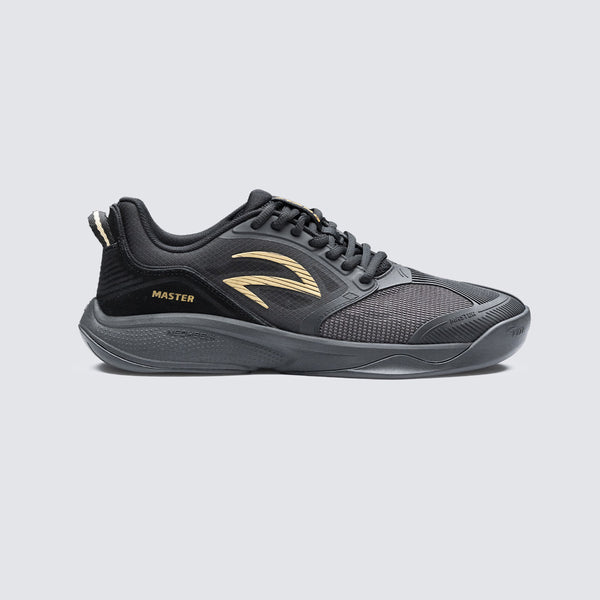
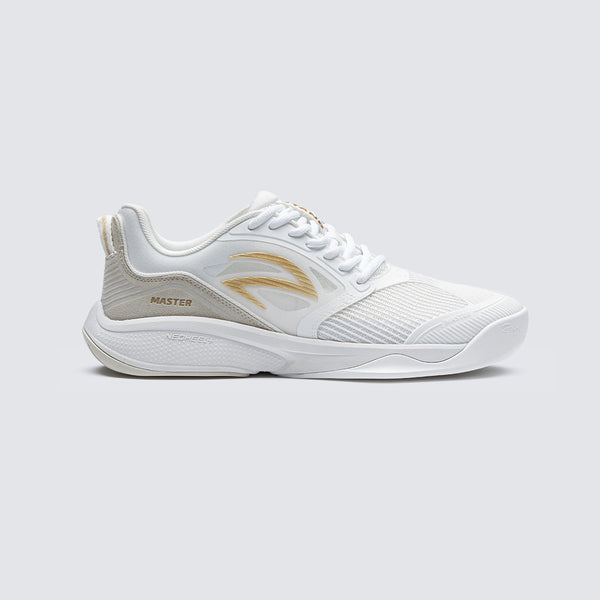
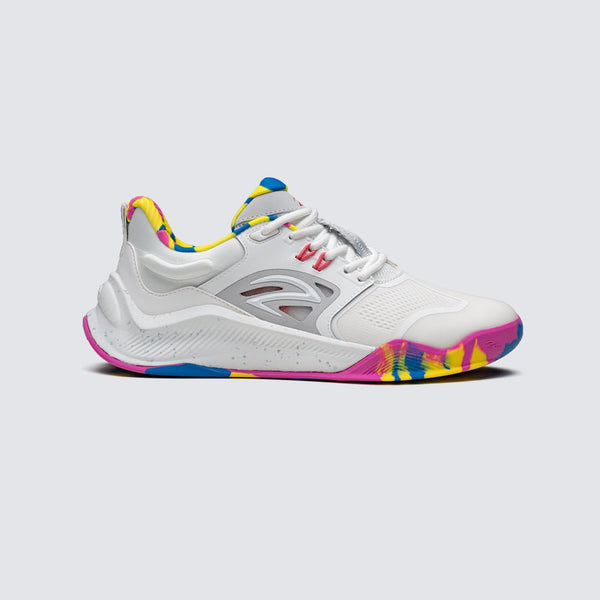
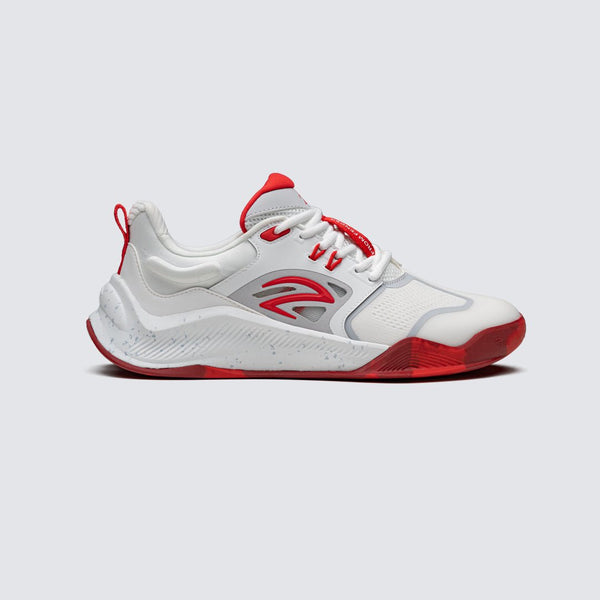
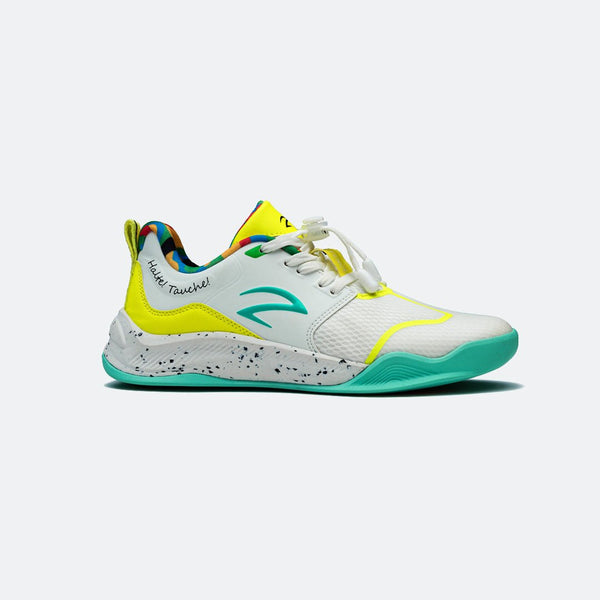
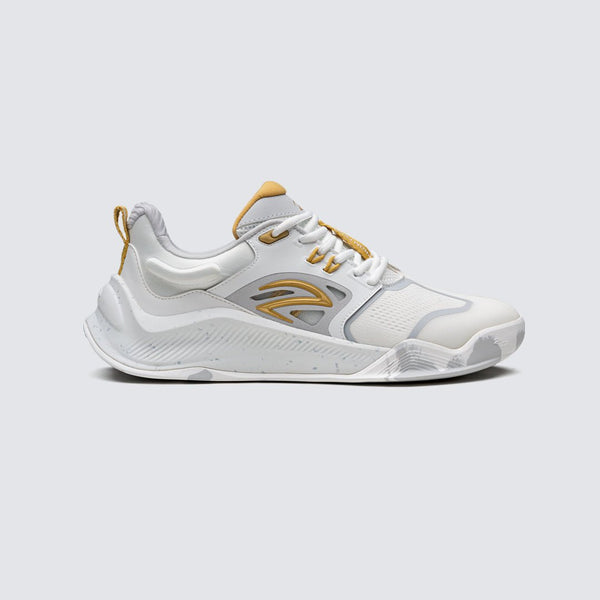
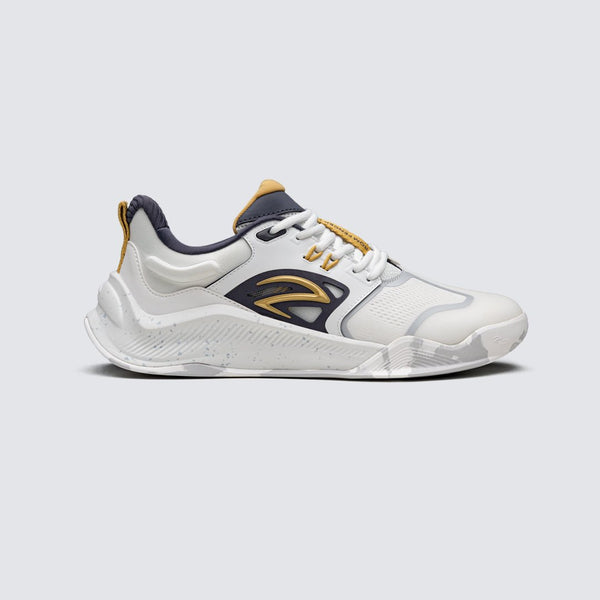
A proper stance (en-garde) is the foundation of effective footwork. Your front foot should point straight ahead while your back foot is roughly perpendicular. Knees are slightly bent, hips aligned and weight balanced with a slight forward bias. Keep shoulders relaxed to prevent upper-body tension that slows movement. There is no one-size-fits-all stance; it should feel natural while enabling explosive movement in any direction. Proper stance calibration enables effortless movement and sets up every advance, retreat or lunge, and the right fencing shoes with lateral support and a low-profile sole make holding the stance dramatically easier.
Core fencing movements explained
Advance
An advance is a short push forward to close distance. Push off the back leg, lift the front foot and land quietly, maintaining the same stance height. Small steps keep you grounded and agile; large strides disrupt balance. Maintain weight centred to allow immediate retreat if the opponent counterattacks.
Retreat
The retreat is a controlled step backwards to widen distance or evade an attack. Lead with the back foot, then bring the front foot in without crossing. Keep eyes on the opponent and maintain a low stance to avoid stumbling. Practicing step-back drills improves reaction time and defensive stability.
Lunge
The lunge is the main attacking step. Drive from the rear leg, extend the front leg and land with the knee over the ankle. Proper recovery is just as important: immediately bring the front foot back to guard while pushing off the back leg. Conscious practice of lunges helps correct front-foot placement and maintain balance. Always keep the front knee aligned and avoid collapsing inward.
Compound actions (balestra, flèche, half-steps)
Advanced fencing footwork blends moves: half-steps to adjust distance, check steps to provoke reactions, balestras (a jump-step) to surprise, flèche attacks for maximum speed, and disengages and feints while moving. Many fencers deteriorate their stance during movement; maintaining quality throughout advances, retreats or lunges is essential. Compound actions also require distance intelligence, the ability to identify when an opponent enters or leaves attacking range, and make micro-adjustments accordingly.
Footwork Starts at Your Feet: Every advance, retreat and lunge transmits through your sole. Purpose-built fencing shoes with lateral reinforcement and an A-Nylon tech plate keep your stance stable through every transition.
Shop Adults Fencing Shoes Shop Kids Fencing Shoes Explore Fencing SocksCommon fencing footwork errors and how to fix them
- Over-reaching or large steps: Taking steps that are too big disrupts balance and slows recovery. Fix by focusing on small, quick steps; repeated footwork drills emphasising smooth transitions between speeds and step sizes encourage good habits.
- Flat-foot landing: Landing on flat feet reduces agility. Practice bouncing lightly or using a "bounce step" to maintain readiness.
- Slow recovery: Failing to return to guard after lunges leaves you vulnerable. Incorporate recovery drills such as sprinting back after a lunge or bringing your front foot back immediately after each attack.
- Crossing feet: This destabilises you and telegraphs intentions (and is illegal in sabre). Emphasise foot alignment and practice lateral shuffles to develop safe sidesteps.
- Poor stance maintenance: Many fencers allow their stance to deteriorate during movement. The quality of the stance should remain constant through all actions. Filming yourself or training with a coach can help identify and correct these lapses.
12-week fencing footwork training plan
A structured plan helps you build from fundamentals to advanced skills. Follow this three-phase programme with sessions three to four times per week, adjusting volume based on your fitness level.
Phase 1 (Weeks 1–4): Foundation & balance
- Stance calibration: Spend 10 minutes daily holding en-garde and adjusting foot alignment, knee bend and weight distribution.
- Slow advances/retreats: Practice advances and retreats focusing on keeping your height consistent and knees slightly bent.
- Controlled lunges: Perform 5–10 lunges with emphasis on correct foot placement and immediate recovery.
- Single-leg balance holds: Hold each leg for 30 seconds; improves stability.
Phase 2 (Weeks 5–8): Speed & coordination
- Quick-feet drills: Use ladder or tape patterns to develop cadence and coordination.
- Lunge sprints: Perform sets of 5 lunges followed by short sprints back; build power and speed.
- Reactive partner drills: Have a partner call "forward", "back", "lunge" etc. Respond accordingly to train reaction time.
Phase 3 (Weeks 9–12): Power & integration
- Plyometric bounds: Incorporate low-height jumps and balestras to build explosive power (ensure joints are healthy).
- Medicine ball rotations: Strengthen core for powerful lunges.
- Simulated bouts: Fence at 70 % intensity focusing on integrating footwork with blade actions and distance management.
- Distance games: Practice "distance tag" (maintain a specific distance while trying to touch partner's shoulder) to develop distance intelligence.
Fencing footwork exercises and drills
In addition to the phases above, use a variety of drills to reinforce skills. For a full deep-dive on drill execution, see our 7 fencing drills to improve footwork and reaction time.
- Repeated footwork drills: 2 steps forward, 1 step back, lunge. Repeat. Vary timing, speed and step sizes. These drills should be done by time rather than distance and focus on smooth transitions.
- Tennis ball drill: Bounce a tennis ball and extend-step or extend-lunge to catch it. Improves hand–foot coordination and reaction.
- Hand–foot coordination drills: Perform simple hand motions (e.g., parry circles) while doing footwork. Vary timing to ensure smooth coordination.
- Sidestep drills: Practice lateral shuffles and flick attacks to develop angle entry.
- Tempo change drill: Alternate slow and fast steps on command to train rhythm control.
- Recovery sprint drill: After a lunge, sprint back to start to develop recovery speed.
Putting footwork into competition
Footwork must adapt to different opponents and situations. Against aggressive opponents, use controlled retreats and half-steps to draw attacks; then exploit their over-commitment with counter-attacks. Against defensive fencers, vary your rhythm with balestras or tempo changes to break their timing. Always conserve energy: efficient footwork reduces fatigue over long pools. Between points, recover by returning to guard and taking a few deep breaths to reset.
Develop distance intelligence by recognising when your opponent enters hitting range and making micro-adjustments. Remember that footwork is weapon-specific: épée distances differ from foil or sabre, but the principles of controlling rhythm and maintaining stance apply universally.
Train Cooler, Move Faster: Long footwork sessions demand breathable apparel that doesn't restrict your stance. Browse our piste-tested training kit.
Explore Active Wear Get a Cooling TowelFrequently asked questions about fencing footwork
What muscles does fencing footwork use?
Fencing footwork is quad, glute and calf dominant on the rear leg (push-off power) and hamstring/hip-flexor dominant on the front leg (deceleration and recovery). The core stabilises the upper body during lunges, and the smaller stabilisers around the ankle and knee are constantly engaged. Most elite fencers complement footwork sessions with single-leg squats, plyometrics and core work.
How can I improve my fencing footwork at home?
Most footwork can be drilled in a 2 m strip of bare floor at home. Spend 10 minutes a day on stance holds, slow advances/retreats and controlled lunges. Add a ladder pattern (or tape) for quick-feet drills and a tennis ball for reaction work. Film yourself once a week and compare to your previous video. Small corrections compound fast.
What shoes are best for fencing footwork?
Use shoes built specifically for fencing: lateral reinforcement on the inside of the front foot (where lunges flex the upper most), heel cushioning for landing, a low-profile non-marking outsole for piste grip, and a snug heel-lock. Court shoes work as a starter but lack the asymmetric reinforcement for fencing lunges. Azza Fencing shoes are built unisex EU 33–47 specifically for piste dynamics.
How long does it take to master fencing footwork?
A beginner can build a functional advance/retreat/lunge in 8–12 weeks of consistent practice. Refining distance intelligence, balestra/flèche timing and tempo changes typically takes 2–4 years of regular club training. Mastery, moving without consciously thinking about it, is a lifelong pursuit. Most coaches will tell you that even Olympic fencers still drill basic footwork every session.
Is fencing footwork the same for foil, épée and sabre?
The fundamentals (stance, advance, retreat, lunge, recovery) are identical across all three weapons. The key differences: sabre forbids crossing the feet when moving forward, so flèche is replaced by the flunge; épée typically operates at longer distances because the entire body is target; foil sits in the middle. Footwork rhythm and tempo choices also differ: sabre is the most explosive, épée the most measured.
Where to go next
Once your basics feel solid, layer in structured drill work and proper gear:
- Drill routines: Our 7 fencing drills give you a 20-minute, three-times-a-week routine.
- Practice habits: The compounding effect of how to improve your fencing skills matters more than any single session.
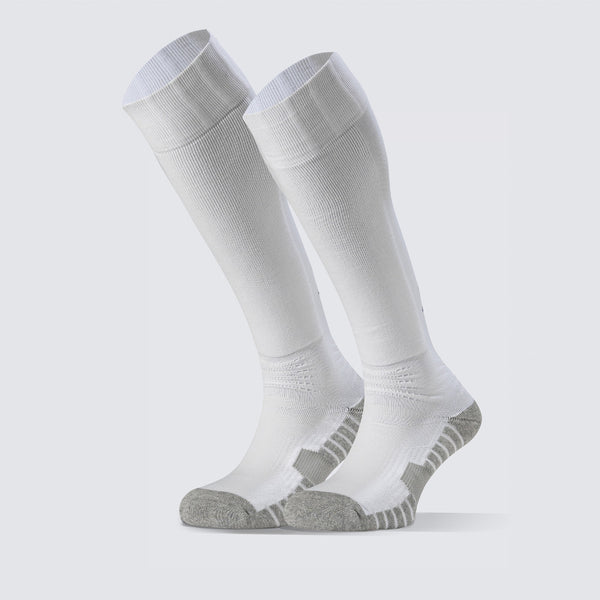
- Shoes & socks: Fencing shoes and long fencing socks are the gear closest to your footwork.
Fencing footwork in 2026 is both simple and infinitely improvable. By mastering stance and basic movements, correcting common errors and following a progressive training plan, you build a solid foundation. As your footwork improves, you'll notice greater control over distance, faster reaction times and more efficient energy use. This guide is a place to start and to return to as your level grows.