

How to Improve Speed and Reaction Time in Fencing
Speed and reaction time are critical to success in fencing. When the difference between scoring and being scored on is measured in milliseconds, rapid physical and mental responses are essential. Speed lets you seize openings; sharp reaction time lets you adapt to an opponent's unexpected moves. This article covers the training strategies, exercises and mindset shifts that build both.

Understanding speed and reaction time
1. Physical speed
The ability to move body and weapon quickly from one point to another. It includes foot speed (advances, retreats, lunges), hand speed (blade movements) and explosive power (initiating attacks).
2. Reaction time
How quickly you perceive a stimulus, such as an opponent's movement, and respond, whether to parry, counterattack or evade.

The role of speed in offence and defence
- Offence: fast lunges and feints can overwhelm an opponent.
- Defence: quick footwork helps you evade, while rapid parries protect your target.
Training for physical speed
1. Plyometric exercises
Plyometrics build the explosive power behind faster lunges and retreats. Try box jumps, squat jumps and lunge jumps.
2. Sprint drills
Short sprints improve leg speed and acceleration from a stationary stance.
3. Resistance training
Resistance bands during footwork drills build strength, so normal movements feel faster once the resistance is removed.
For structured routines that combine these, see our 7 fencing drills to improve footwork and reaction time.
Enhancing reaction time

1. Partner drills
Practising with a partner who randomly changes their attacks forces quick decision-making.
2. Visual cues
Train with visual-stimulus devices or a coach giving unpredictable signals for attack or defence.
3. Decision-speed exercises
Drills where you must choose between several responses in a fraction of a second.
Mental training for faster reactions
1. Visualization
Mentally rehearsing situations primes the brain for quick execution.
2. Mindfulness
A calm, focused mind processes information faster; breathing exercises reduce hesitation.
Integrating speed into strategy
Speed is not just moving quickly; it is using that quickness at the right moment. Disguise your intentions and accelerate when your opponent is least prepared.

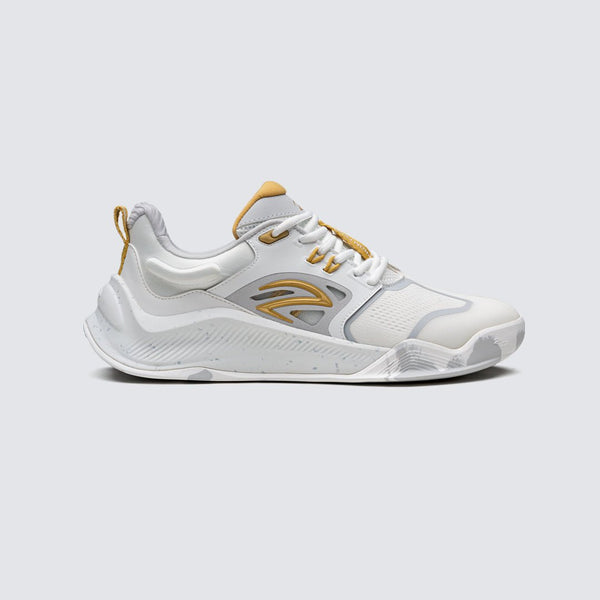
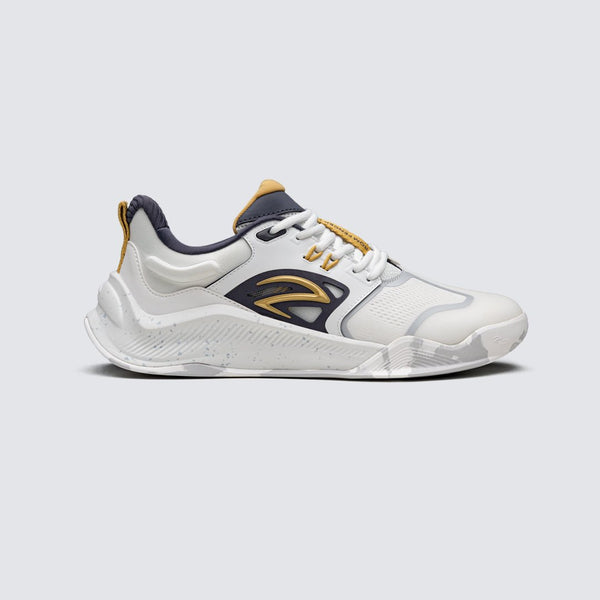
Improving speed and reaction time combines physical conditioning, mental training and tactical awareness. Over time your movements become instinctive and your responses automatic. Fast footwork also starts from the ground: a responsive, grippy pair of fencing shoes lets you push off and recover without slipping. For more drills, explore our best daily fencing drills.