

Your First Fencing Competition: What to Expect & Pack
Your first fencing competition is exciting and, if you have never done one, a little daunting. The format is unfamiliar, the day is long, and the nerves are real. The good news is that tournaments follow a predictable rhythm, and once you know how the day unfolds and what to bring, you can spend your energy on fencing rather than worrying. Here is what to expect, and how to be ready.
How the day is structured
Most competitions run in two phases. The day starts with check-in and equipment control, where officials verify your kit meets safety standards, so arrive early. After a warm-up, you fence the pool round: a small group where you fence everyone once, in short bouts to 5 touches. Pools seed you for the second phase.

Then comes direct elimination: knockout bouts to 15 touches across three periods. Win and you advance; lose and you are out. The whole thing can take many hours, with long gaps between your bouts, which is why pacing yourself, physically and mentally, matters as much as your fencing.
What to pack

The single biggest cause of first-competition stress is realising at check-in that something is missing. Pack the night before against a list. Alongside your regulated protective kit and weapons (which must pass equipment control), do not forget the personal items that are easy to overlook:
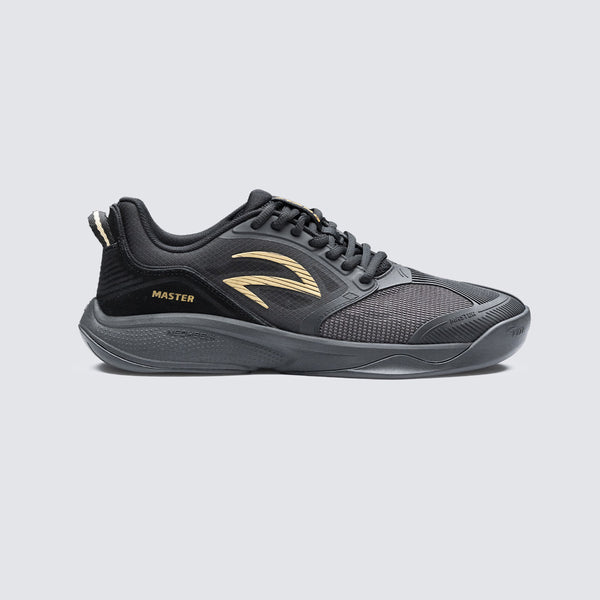
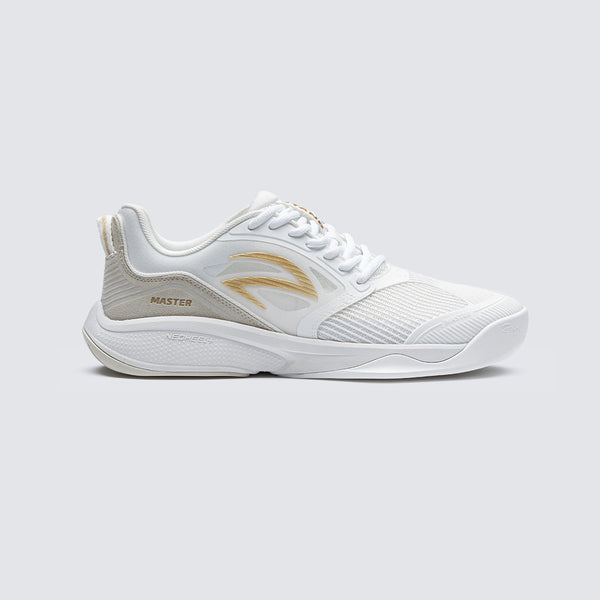
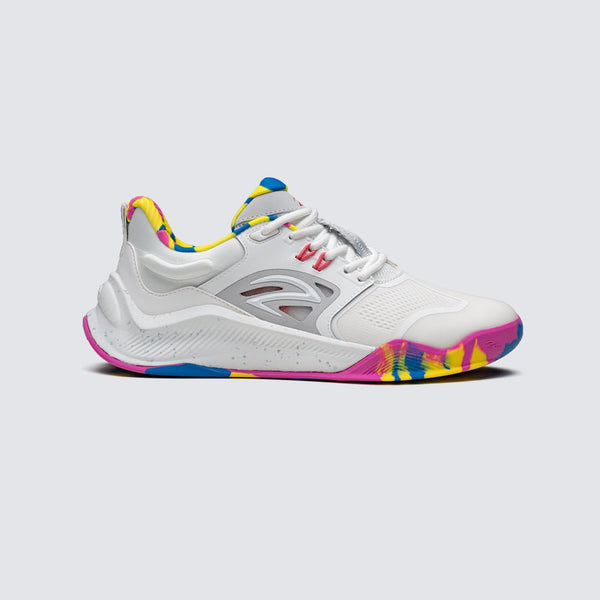
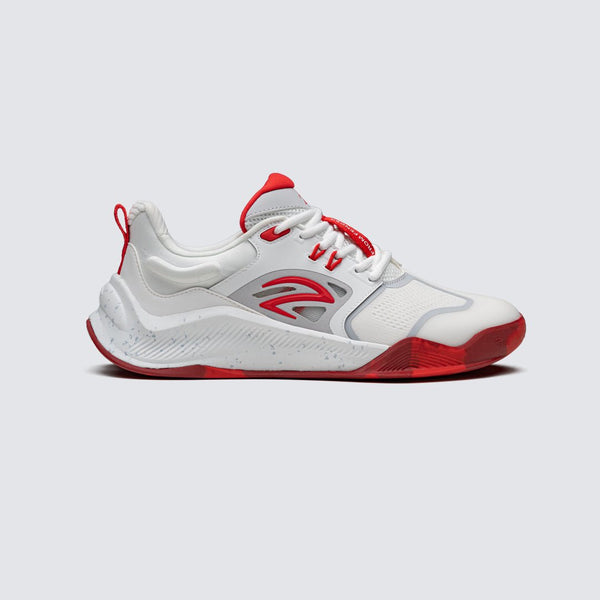
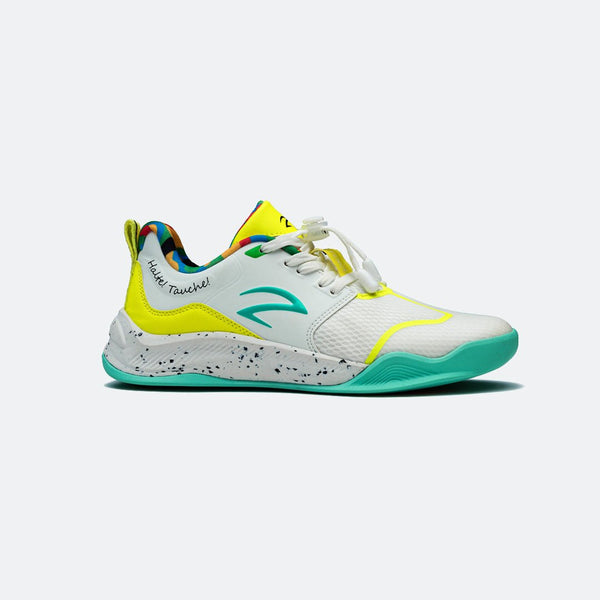
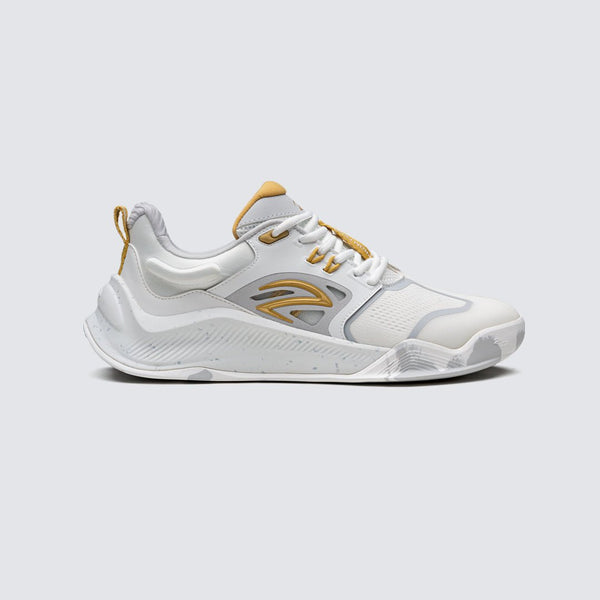
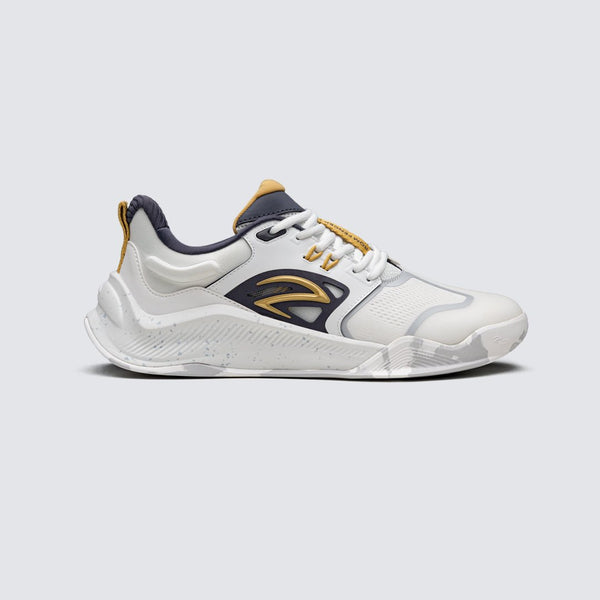
- Fencing shoes you have already broken in, never a brand-new pair on competition day. Grippy, supportive footwear protects you through hours of lunging on hard floors.
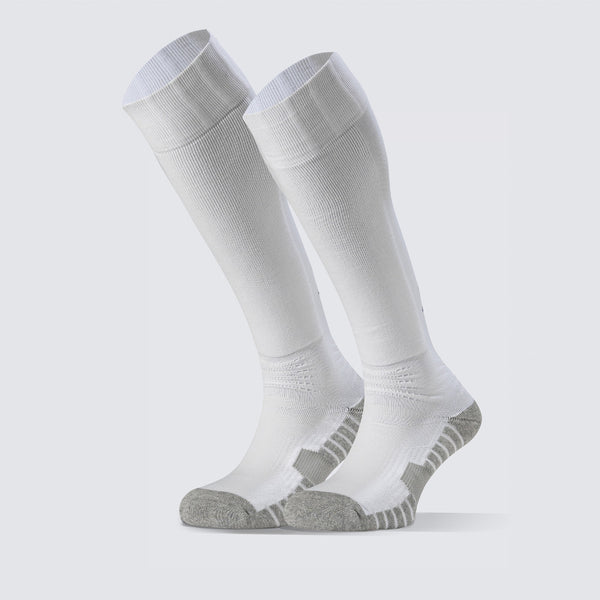
- Spare long socks so you have a dry, comfortable pair if the day runs long.
- Comfortable training clothing for warming up, cooling down and the long waits between bouts.
- Water and easy-to-digest snacks to keep your energy steady across a long day.
- A small towel to stay cool and dry between rounds.
For the footwear, socks and warm-up clothing that are yours to bring, Azza makes athlete-designed fencing shoes, technical fencing socks and breathable activewear built for exactly these long competition days. For a fuller pre-event preparation checklist, see our 5 essential tips to be tournament-ready.
Warming up and the long waits

Because there can be long gaps between bouts, you will warm up more than once. A proper warm-up before your first bout, and a quick re-activation before each direct-elimination round, keeps your muscles ready and prevents the injuries that cold, sudden lunging causes. Our guide on how to warm up properly covers a routine you can repeat through the day. In the downtime, stay loose, keep eating and drinking, and avoid sitting cold for too long.
Handling the nerves
Nerves before a first competition are normal and even useful; they mean you care. The trick is to channel them. Focus on your own process rather than the result, breathe slowly before you step on the piste, and treat each pool bout as practice rather than judgement. Most fencers find the nerves fade after the first touch. For a deeper approach to competition mindset, read our piece on mental preparation for fencing competitions.
The bottom line
A first tournament is a milestone, not a test you can fail. Arrive early, pass equipment control, fence your pools as practice, pace yourself through the long day, and enjoy the experience of competing. Pack smart, wear shoes you trust, and let your training do the talking. When you are ready to kit out for the piste, explore the athlete-designed range at Azza fencing shoes, built by a three-time Olympian who knows exactly what a long competition day demands.