

How to Warm Up Properly and Prevent Injuries in Fencing
Fencing is an explosive, high-intensity sport built on quick footwork, sudden lunges and rapid changes of direction. Without proper preparation, the risk of muscle strains, joint injuries and overuse problems rises sharply. A thorough warm-up primes the body for peak performance and lowers injury risk. Here is a step-by-step guide to warming up and preventing injuries.
Why warm-up matters
A warm-up increases blood flow to the muscles, improves flexibility and prepares the joints for dynamic movement. It also helps you transition mentally from rest to competitive focus.



Components of an effective fencing warm-up
1. General aerobic warm-up (5 to 10 minutes)
Light jogging, skipping or shadow fencing raises core temperature.
2. Dynamic stretching
Leg swings, arm circles and torso twists increase range of motion without reducing muscle power.
3. Footwork drills
Advances, retreats and lunges at increasing speed prepare the legs for fencing-specific demands.
4. Bladework activation
Slow, controlled attacks and parries engage the arms and shoulders while reinforcing technique.
Injury prevention strategies
1. Strength training
A balanced strength program supports the joints and reduces strain during intense actions.
2. Flexibility work
Regular stretching improves muscle elasticity and lowers the risk of tears.
3. Rest and recovery
Adequate sleep and active recovery days prevent overtraining injuries.
4. Equipment checks
Properly fitting gear and well-maintained weapons reduce accident risk.
Common fencing injuries and how to avoid them
- Knee pain: strengthen quadriceps and hamstrings; avoid overextending lunges.
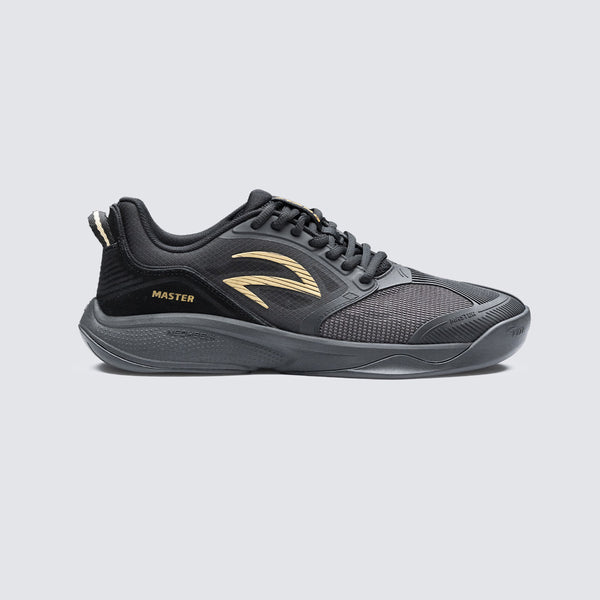
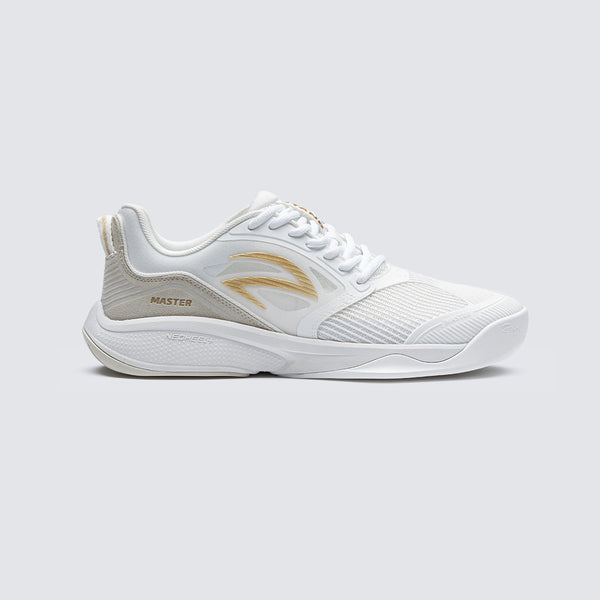
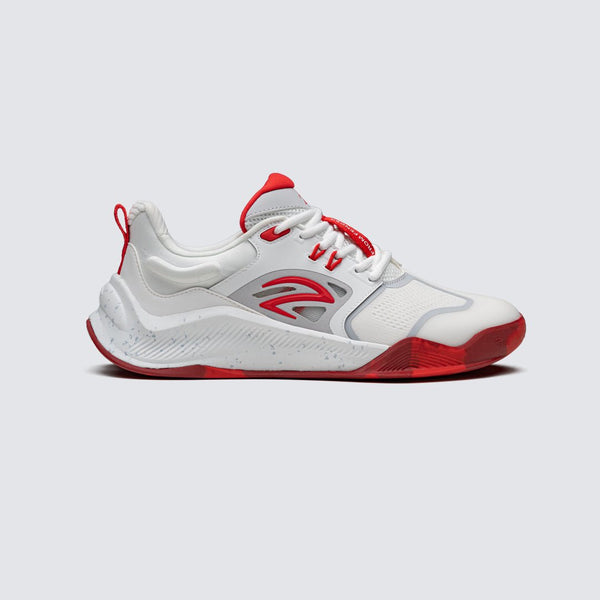
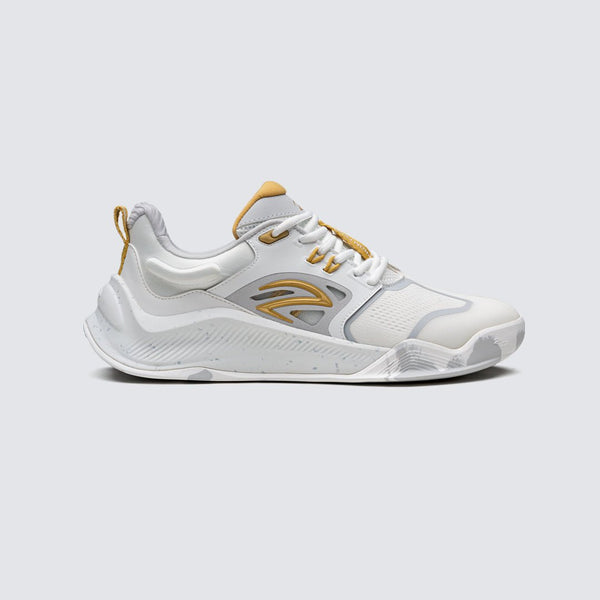
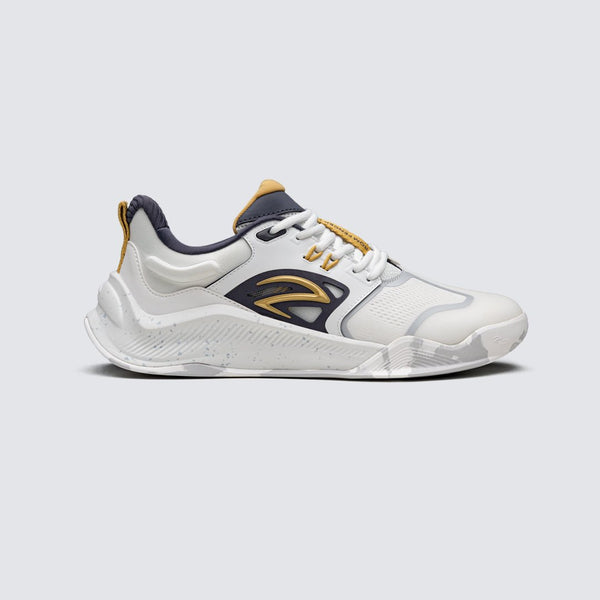
- Ankle sprains: practise balance exercises and wear supportive shoes.
- Shoulder strain: warm up the rotator cuff and avoid excessive blade tension.
For the full picture, see our guides on common fencing injuries and how to prevent them and why fencing injuries happen.
A proper warm-up is your first line of defence against injury. Combine cardiovascular activation, dynamic stretching, sport-specific drills and strength training to prepare your body for peak performance. Supportive footwear is part of that defence too: a stable, cushioned pair of fencing shoes protects the ankles and knees through every lunge.