

Fencing Injuries: What They Are and How to Dodge Them
Fencing's structured rules and protective equipment make it one of the safest combat sports. However, like any athletic pursuit, injuries can still occur, especially if you neglect proper warm-ups, overlook technique or push too hard without adequate recovery. This guide explains the most common fencing injuries and shares practical strategies for preventing them so you can enjoy the sport for years to come. For the clinical statistics behind these injuries, see our companion article on common fencing injuries and how to prevent them.
Why do fencing injuries happen?
Asymmetry and overuse
Fencing is inherently asymmetrical. Your dominant arm and lead leg do most of the work while your non-dominant side plays a supporting role. Over time this imbalance places uneven stress on joints and muscles. Repetitive actions like parries, flicks and lunges also subject tendons in the wrist, shoulder and knee to high workloads. Without balanced training and adequate rest, these tissues become irritated or inflamed.
Insufficient preparation
Skipping a proper warm-up leaves muscles cold and less responsive. A dynamic warm-up of short, progressive movements like leg swings, arm circles and walking lunges prepares your muscles and joints for the quick bursts that fencing demands. Static stretching is best saved for after practice. Our full routine is in the guide on how to warm up properly and prevent injuries.
Training load and fatigue
Pushing yourself without variety or adequate recovery leads to overuse injuries. A balanced program of strength, flexibility, balance work and gradual load progression builds resilience. Monitor soreness that lingers beyond 72 hours and adjust accordingly. Cross-training with low-impact activities such as swimming or cycling provides cardiovascular benefit without extra joint stress.


Common fencing injuries and how to prevent them
Ankle sprains
Rapid lunges and quick turns can roll an ankle. Reduce the risk by training ankle stability and balance: single-leg stands, wobble-board work and calf raises strengthen the supporting muscles. Skipping rope or an agility ladder improves coordination and reinforces footwork.
Knee pain
Repeated lunges and sudden directional changes stress the knee and surrounding tendons. Focus on lunge technique: keep the knee aligned over the toes and avoid collapsing inward or leaning too far forward. Strengthen the legs and core, build in rest days, and use properly cushioned footwear to reduce impact.
Wrist and shoulder strain
Overuse from repetitive bladework can cause tendinitis. Add grip-strengthening and gentle forearm and shoulder stretching to your routine, strengthen the rotator cuff and upper back, avoid gripping the weapon too tightly, and rest after intense sessions.
Back and muscle imbalances
Because fencing emphasises one side of the body, imbalances develop in the core and back. Off-hand drills, bilateral strength work (planks, squats, deadlifts) and full-body stretching help balance the musculature. Yoga or Pilates improve posture and symmetry.
Blisters and skin irritation
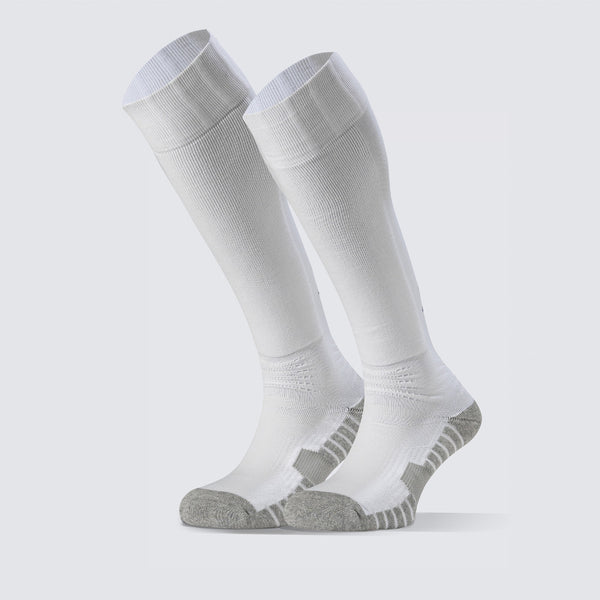
Blisters on the hands or feet can become painful if ignored. Make sure shoes and gloves fit properly and are in good condition. Moisture-wicking socks and blister patches or athletic tape in known hot spots prevent friction.
Prevention that works
Warm up smart
Begin each session with ten minutes of dynamic movement: high-knee marches, arm swings and side lunges gradually raise the heart rate and prepare muscles. Save longer static stretches for after training.
Build balanced strength and agility
Add balance and resistance work weekly: single-leg squats, lateral hops, core exercises and plyometric lunges. Cross-train with low-impact cardio and use agility-ladder drills to sharpen footwork and coordination.
Rest and recover
Rest is as important as training. Plan at least one full rest day each week and watch for fatigue or persistent soreness. Sleep, nutrition and recovery techniques like foam rolling or massage help the body heal and adapt.
Check your equipment and footwear
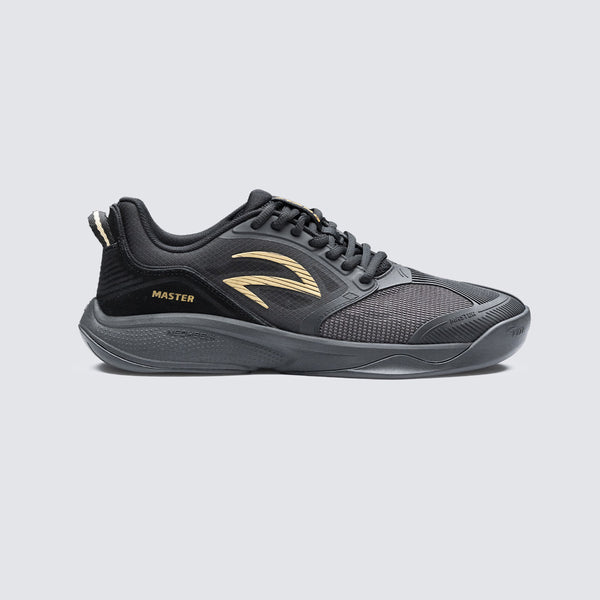
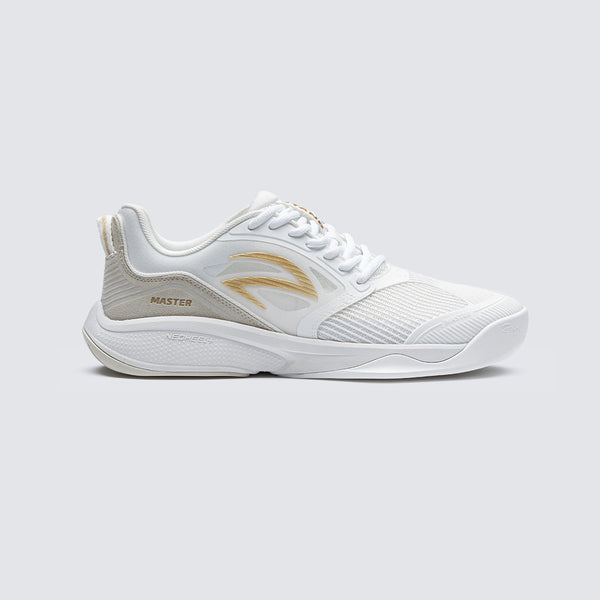
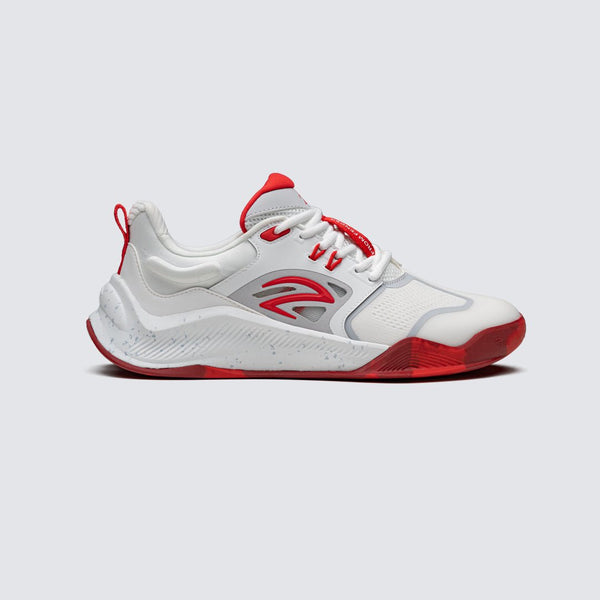
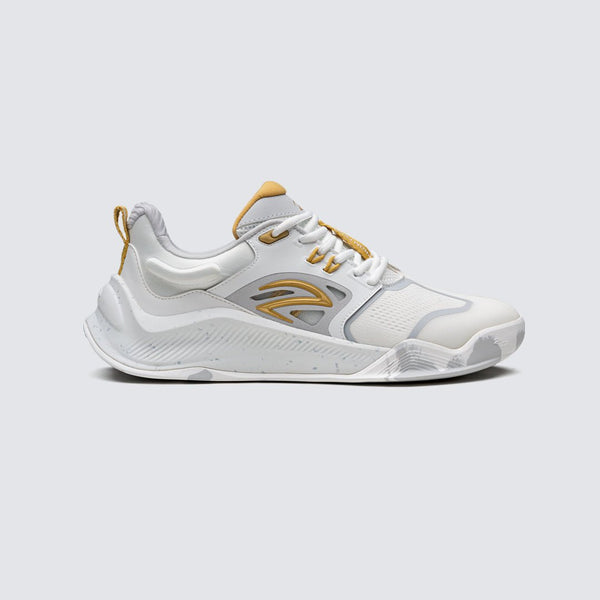
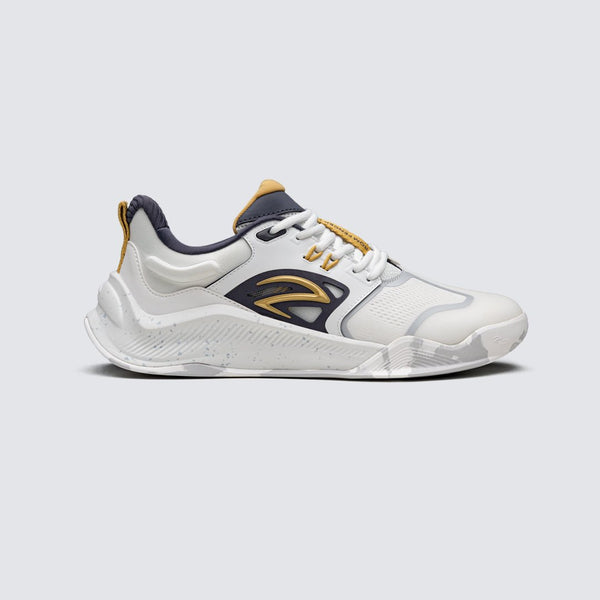
Footwear plays a significant role in injury prevention. Shoes with proper cushioning and ankle support reduce impact on the joints during lunges and quick direction changes. Azza fencing shoes are designed by professional fencers to provide stability, comfort and protection, so athletes can focus on technique rather than sore feet.
Fencing injuries are largely preventable with thoughtful preparation and training. By practising proper technique, balancing your workouts, allowing time for recovery and choosing supportive equipment, you can enjoy the sport while minimising setbacks, and stay on the piste for years to come.