

Fencing Rules & Scoring Explained for Beginners
Fencing can look baffling from the outside: two athletes trade lightning exchanges, a light flashes, and somehow one of them scores while the other does not. Once you understand a handful of rules, it all clicks into place. This is a clear, beginner-friendly guide to how fencing is scored, what the much-discussed right-of-way actually means, and how a bout is won.
The basics: the piste, the touch, and the bout

Fencing takes place on a narrow strip called the piste, about 14 metres long. The aim is to score points, called touches, by hitting your opponent on the valid target area with your weapon, while avoiding being hit yourself. Hits are registered electronically: each fencer is wired to a scoring box that lights up when a valid touch lands.
A bout is won by reaching a set number of touches. In a preliminary pool round that is usually 5 touches within 3 minutes; in a direct-elimination match it is 15 touches across three 3-minute periods. If time runs out, the fencer with more touches wins.




Valid target depends on the weapon
What counts as a valid hit changes with each of the three weapons, which is why understanding the weapon is the first step to understanding the rules:
- Foil: target is the torso only (front and back), not the arms, head or legs. A thrusting weapon, point hits only.
- Épée: the entire body is valid target, head to toe. Also point hits only.
- Sabre: target is everything from the waist up, including the head and arms. Hits can be scored with the edge of the blade as well as the point.
If you are still deciding which weapon to take up, our guide on how to choose your fencing weapon walks through the differences, and the histories and techniques of foil, épée and sabre goes deeper on each.

Right-of-way: the rule that confuses everyone
Here is the part that trips up newcomers. In foil and sabre, if both fencers land a hit at almost the same time, only one point is awarded, and right-of-way (also called priority) decides who gets it. The principle is simple: the fencer who started a correct attack first has priority. Their opponent must defend, with a parry, before they can answer with their own attack and take the priority back.
So when both lights go on, the referee decides who had right-of-way: who attacked first, whether the defender parried, and who therefore earns the touch. Épée has no right-of-way at all. If both fencers hit within a tiny fraction of a second, both score a point. This is why épée play looks more patient and foil and sabre look like a fast back-and-forth of attack and defence.
How a point is awarded, step by step
Put together, a typical exchange works like this. A fencer launches an attack. If it lands on valid target, the light shows and they score. If the opponent parries and immediately ripostes, priority passes to the opponent, and their hit scores instead. If both hit at once in foil or sabre, the referee applies right-of-way; in épée, both simply score. The referee manages the bout, calls halt, and awards each touch.
A few rules of conduct
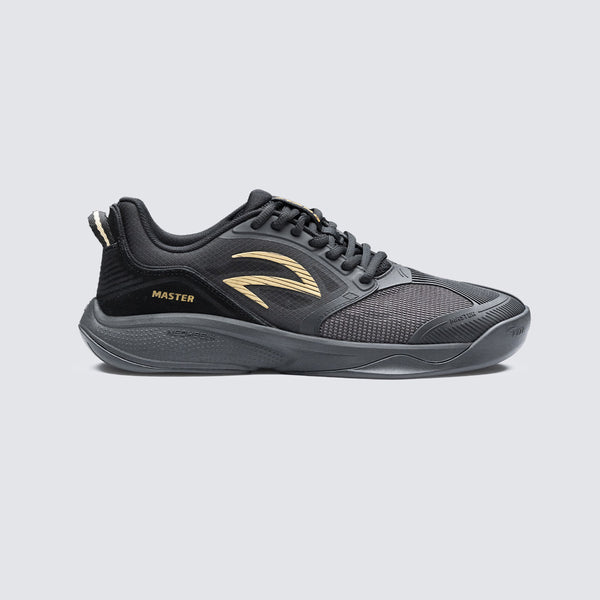
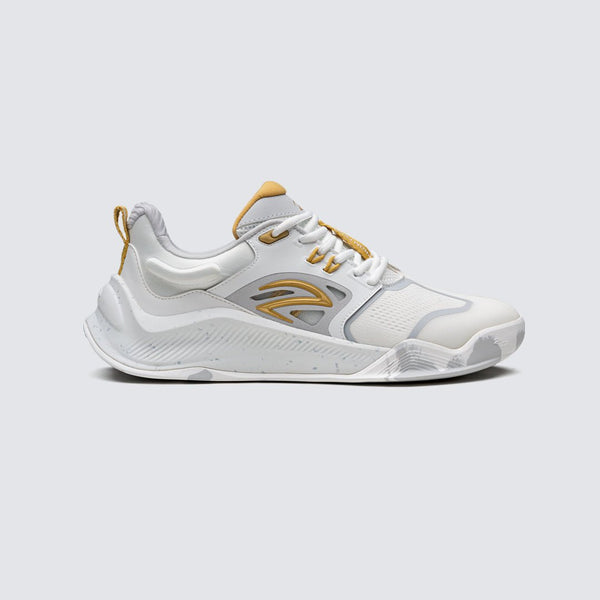
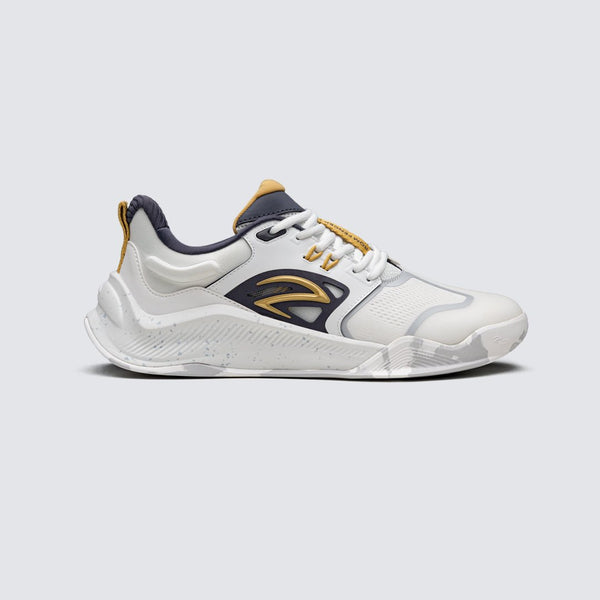
Beyond scoring, a few rules keep the sport safe and fair: you cannot turn your back on your opponent, you cannot make body contact, and stepping off the back of the piste concedes ground or a touch. Protective equipment is mandatory at all times on the piste, and proper footwear matters too, since the sport is built on sudden lunges and stops.
From rules to the piste
Knowing the rules turns fencing from a blur into a game of strategy you can actually follow and enjoy, whether you are watching or stepping onto the piste yourself. If you are weighing it up for a child, fencing is one of the best sports for focus and decision-making, as we cover in why fencing is a great sport for kids.
And when you are ready to start moving, the right shoes make the footwork the rules reward far easier. Explore our athlete-designed fencing shoes, built by a three-time Olympian for the lunges, stops and recoveries the sport is made of.