

7 reasons why fencing is the best sport for kids
Wondering whether fencing is good for kids in 2026? Yes. And not just for the obvious "sword sport looks cool" reasons. Fencing builds physical coordination, sharpens decision-making and instils discipline in a way few other youth sports can match. Often called "physical chess", it rewards strategy as much as speed and stays safer than most contact sports thanks to strict protective standards. This guide lays out seven concrete reasons fencing is one of the best sports for kids, plus practical advice on starting age, safety, equipment and where to get the right kids fencing shoes for young athletes.
TL;DR: 7 Reasons Fencing Is the Best Sport for Kids
- Full-body workout without repetitive high-impact strain
- Teaches discipline and respect through formal etiquette and sportsmanship
- Safe and controlled: lower injury rate than most Olympic contact sports
- Builds confidence and social skills through individual + community structure
- Boosts academic performance via critical thinking and tactical problem-solving
- Inclusive across body types: technique beats size and brute strength
- Develops focus and emotional regulation through repeated bout pressure
Why fencing for kids stands out
Fencing is more than a physical activity: it sharpens both body and mind at the same time. Unlike many traditional youth sports, fencing requires children to develop strategic thinking, quick decision-making and strong hand-eye coordination from day one. Parents repeatedly report noticeable improvements in posture, reflexes and overall coordination within just a few months of practice, and the Academy of Fencing Masters notes that the sport "promotes self-confidence, self-discipline and good decision-making", life skills that travel well outside the salle.
The seven reasons below explain why fencing is the best sport for kids, physically, mentally and socially. The list draws on coach testimony, parent observation and Olympic-level research.



1. Full-body workout that enhances coordination
One of fencing's biggest advantages for kids is that it provides a full-body workout without the repetitive strain of high-impact sports. Olympic silver medallist Jason Rogers puts it well: "Fencing is an excellent sport to improve lower body strength and speed, as well as hand-eye coordination. Fencing also develops agility and flexibility and is probably most similar to many martial arts in terms of the collection of skills it requires."
Lunges, advances and parries cycle through every major muscle group while teaching kids how to move with intention. Pair training with proper footwear, see our guide to essential fencing equipment, and the impact on knees and ankles stays manageable across years of practice.
2. Teaches discipline and respect to younger fencers
Fencing is often called "physical chess" because of the tactical skills required, but beyond the physical and mental benefits, it instils discipline and respect, values that carry far beyond the piste.
Young fencers learn proper etiquette: saluting their opponent before and after a bout, shaking hands with the referee, and showing sportsmanship whether they win or lose. From salute to handshake, fencing embodies respect, and for children, this kind of ritualised respect is a powerful teacher.
3. A safe and controlled sport for your children
Despite the swords, fencing is one of the safest combat sports for children. With protective gear, rigorous safety standards and strict rules, the risk of injury is significantly lower than other contact sports.
The International Journal of Sports Physical Therapy reports that "comparative data from recent Olympic Games indicate that fencing is a relatively safe sport. In the 2016 Rio Olympic Games, 9 % of fencers experienced an injury, which was relatively low, especially when compared to higher-risk sports such as BMX where 38 % of athletes were injured." For a parent-friendly overview of what to watch for, see our guide on common fencing injuries and how to prevent them.
4. Builds confidence and social skills
Fencing is an individual sport, but it also fosters a strong sense of community. Children build confidence as they refine their skills, face new opponents and set personal goals. Many young fencers develop lasting friendships with teammates and competitors alike, creating a supportive and encouraging environment. As one parent puts it: "We have seen our children's skills, confidence and love of fencing grow dramatically."
5. Encourages academic success
According to Fencing in the Schools, "fencing promotes individual initiative and discipline as well as respect, sportsmanship, and a well-rounded form of mental and physical exercise essential for total health and wellness, all of which help children succeed outside of the sport."
Because fencing relies on critical thinking and constant tactical adjustment, multiple studies have linked it to improvements in academic performance. The problem-solving skills children develop in fencing translate well into better focus, memory and cognitive flexibility at school.
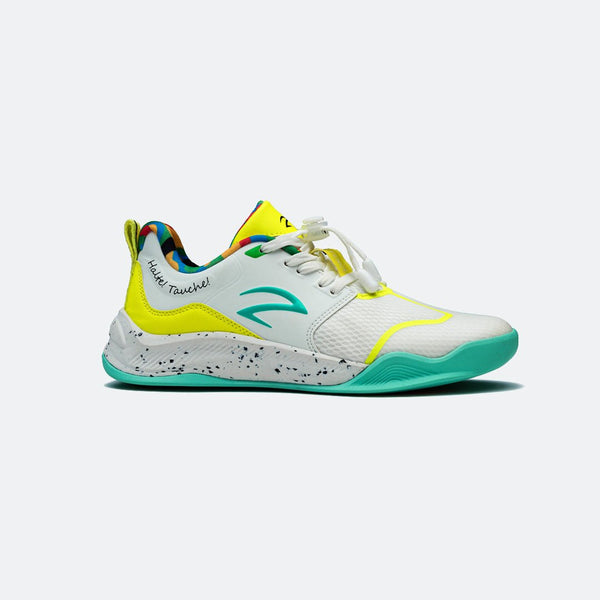
The Right Shoe for Growing Feet: Children's joints are still developing, and generic trainers don't give them the lateral support fencing needs. Azza's kids' line is built specifically for the explosive lunges and quick recoveries young fencers do hundreds of times per session, in EU sizes 33–38.
Shop Kids Fencing Shoes Browse All Fencing Shoes6. A sport for every child: inclusive across body types
Unlike many competitive sports that favour height, reach or sheer size, fencing is accessible to children of all body types. Success on the piste comes from technique, agility, timing and strategy, not brute strength. This inclusivity makes it one of the few sports where smaller children compete on equal footing with larger peers, and where every kid can find a path to excelling regardless of their physical build.
7. Develops focus and emotional regulation
Few youth sports demand the sustained focus fencing does. A single bout requires constant attention, instant decision-making and emotional control under pressure: losing your composure in fencing is losing the touch. Over time, young fencers learn to stay calm in tense moments, recover from setbacks and channel frustration into the next action. These are emotional-regulation skills that pay off in exams, friendships and family life as much as on the piste.
Performance gear for young fencers
Once you've decided fencing is the right sport for your child, the next step is gearing up. Children still need proper coaching from qualified club coaches and the right equipment for safe, comfortable training.
Azza Fencing's kids fencing shoes are designed specifically for the dynamic demands of young athletes, with reinforced lateral support, cushioned heels for repeated lunging, and an outsole built for piste grip. sized EU 33–38 with width-matched lasting across the full size range.
Frequently asked questions about fencing for kids
At what age can kids start fencing?
Most clubs accept children from age 7 or 8, when they have the coordination and attention span to follow instructions safely. Some clubs run "mini-fencing" or "tiny touches" programmes for ages 5–6 using foam weapons and games. Serious competitive training usually begins around age 9–10. There is no upper age limit. Fencing is a lifelong sport.
Is fencing safe for children?
Yes. Fencing is consistently rated one of the safest combat sports thanks to mandatory protective gear (mask, jacket, plastron, glove), strict refereeing and bend-on-impact blades. Olympic injury data shows 9 % injury rates in fencing versus 38 % in BMX. Most injuries are minor strains rather than impact trauma. See our guide to common fencing injuries for prevention tips.
What equipment does a child need to start fencing?
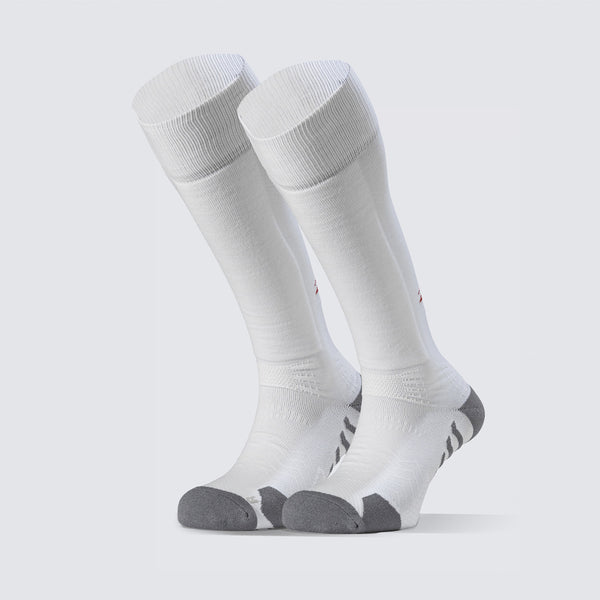
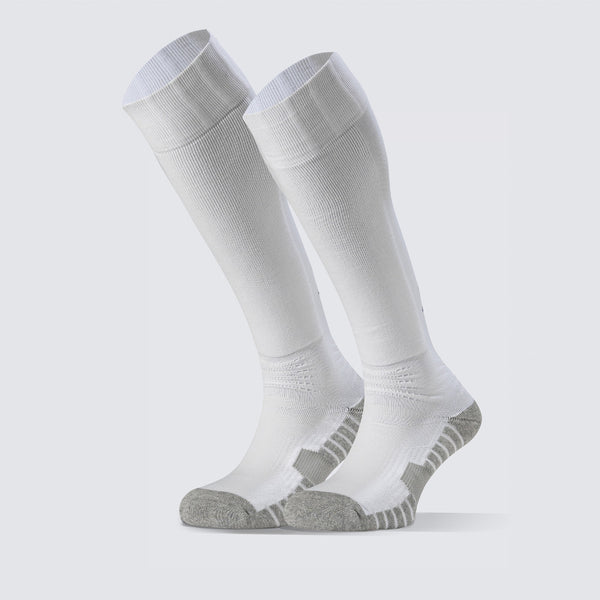
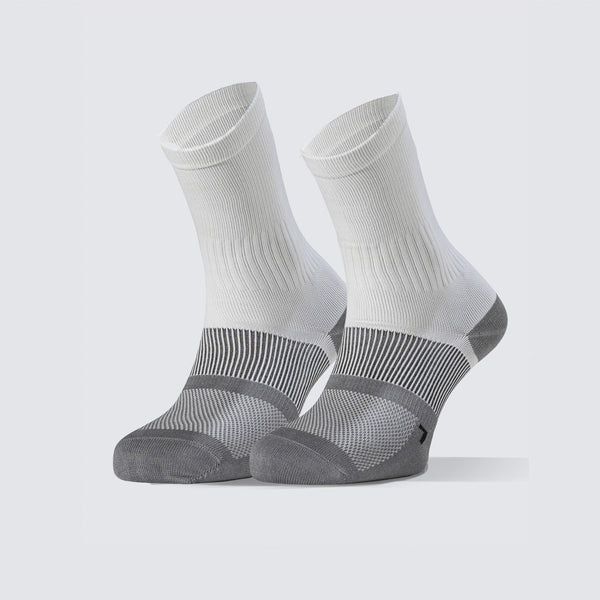
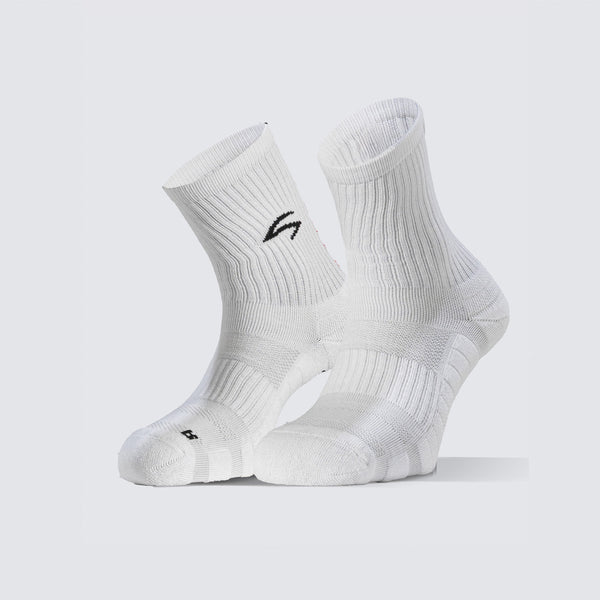
Most clubs lend protective gear (mask, jacket, plastron, glove) for the first few months. The first personal purchase is usually a pair of fencing shoes plus long fencing socks. Once committed, parents typically buy a child-sized weapon, then jacket, plastron and glove. For the full breakdown, see our fencing equipment guide.
How much does kids fencing cost?
Club fees typically range from €40–€100 per month depending on country and club size, often with a discounted "first term" rate for new juniors. The first personal purchases (shoes, socks) run €100–€180. A full personal kit (weapon, mask, jacket, plastron, glove, knickers, shoes, socks) for a young fencer costs roughly €300–€500. Many federations offer member discounts on starter packs.
Which weapon should a child start with?
Most coaches start children on foil because it teaches the right-of-way priority system that underpins all three Olympic weapons and uses the lightest blade. After a year or two, kids who prefer patience and a larger target often move to epee; those who prefer speed and aggression often move to sabre. See our guide to choosing a fencing weapon.
Can fencing help with ADHD or focus issues?
Many parents and coaches report that fencing helps children build focus and impulse control. The sport rewards short bursts of intense concentration followed by brief resets, a structure that suits many children with ADHD better than continuous-attention sports. Consult your child's coach and clinician for personalised advice, but anecdotally, fencing is among the more ADHD-friendly competitive sports.
Where to go next
- Equipment checklist: Read our complete fencing equipment guide for what to buy and what to borrow first.
- Safety: Browse our overview of common fencing injuries and prevention.
- Shoes for kids: Start with Azza kids fencing shoes (EU 33–38), and the right footwear protects developing joints over hundreds of training lunges.
- Weapons and protective kit: Source from a specialist fencing armoury, your club's preferred supplier, or via your national fencing federation's member-discount programme.
In 2026, fencing remains one of the best sports for kids: a rare combination of physical fitness, mental agility, discipline, safety and inclusivity. It builds confidence, social skills and academic focus while staying accessible to children of every body type. With the right coaching and the right gear, your child can train safely while learning life lessons that last well beyond the piste.