

Complete guide to maintaining your fencing equipment
Knowing how to wash and maintain your fencing gear in 2026 isn't optional: it's the difference between equipment that lasts five years and equipment that fails mid-tournament. This complete guide walks you through cleaning jackets and knickers, sanitising masks, oiling blades, caring for your fencing shoes, and storing everything so it's ready for your next session. Proper care extends gear life, prevents odour and corrosion, and keeps your kit safe for competition.
Fencing Gear Maintenance Quick Checklist
- Jacket & knickers: wash every 3–5 uses, cold water, mild detergent, no bleach, air dry
- Mask: wipe interior after every use; deep clean monthly
- Glove: hand wash in lukewarm water, air dry
- Blade: wipe dry after each session; oil non-stainless blades monthly
- Shoes: brush off dust, wipe outsole, air dry, never machine wash
- Socks & lamé: wash inside-out, mesh bag, no fabric softener
- Bag: air out after every session, never store damp gear inside
Cleaning and maintaining fencing jacket and knickers
Regular cleaning of your fencing jacket and knickers is crucial to prevent sweat, dirt and bacteria buildup. Follow these steps to keep them in top condition:
- Pre-wash inspection: Check the manufacturer's care label first: FIE-rated gear and ballistic-fabric jackets often have specific instructions. Inspect for stains or damage that need spot treatment.
- Soaking: For stubborn stains, soak in cold water with a stain remover like OxiClean White Revive for at least an hour. Agitate occasionally to loosen dirt.
- Washing: Machine wash in cold or warm water using a mild detergent. Avoid bleach: it degrades the synthetic fibres and weakens FIE safety ratings. Skip fabric softener too; it clogs breathable weaves.
- Drying: Air dry to prevent shrinkage and preserve shape. If using a dryer, lowest heat only.


Cleaning fencing gloves
Gloves need regular cleaning to maintain hygiene and grip flexibility, as they're the second sweatiest piece of kit after the mask:
- Cleaning: Hand wash in lukewarm water with mild soap. Gently squeeze out excess water, never wring (it deforms the palm).
- Drying: Air dry away from direct sunlight or heat. UV and heat dry out the leather palm and crack the synthetic shell.
- Odour control: Stuff with newspaper or use a glove deodoriser between sessions.
How to sanitise a fencing mask
Mask hygiene is non-negotiable: a damp, sweaty mask is a breeding ground for bacteria, and a rusted mesh is a safety risk:
- Cleaning the interior: Wipe inside with a damp cloth after every use. For monthly deep cleaning, use a mild detergent solution and rinse thoroughly. Some fencers use a removable mask liner (washable separately).
- Cleaning the exterior mesh: Gently scrub with a soft brush to remove rust or dirt. Avoid harsh chemicals: they damage the conductive bib in foil and sabre masks.
- Drying: Air dry completely before storage. Mould inside a mask is more common than people realise.
- Punch test: Inspect mesh annually; the FIE 1600 N punch test simulates blade impact. If you see rust spots or a dent, retire the mask.
Fencing weapon maintenance
Regular weapon maintenance prevents rust, blade failure and electrical-scoring issues:
General weapon care
- Inspection: Before each session, check for rust, bends or loose parts. A 30-second visual scan prevents accidents.
- Cleaning: Wipe the blade with a dry cloth after each use to remove sweat. For non-stainless blades, apply a light film of machine oil (3-in-1 or sewing-machine oil) monthly.
Foil and épée specifics
- Tip maintenance: Check the tip moves freely. If it sticks, disassemble carefully, clean the internal components and reassemble. Ensure springs apply proper pressure (foil: ~500 g activation; épée: ~750 g).
- Electrical components: Inspect wiring for fraying or disconnection. Clean contact springs with a soft eraser if continuity is intermittent.
Sabre specifics
- Blade alignment: Check the blade is straight; gently straighten minor bends. Heavily bent blades should be replaced.
- Handle security: Verify the grip is tight and screws are flush. Loose handles ruin point control.
Most blades have a 6–24 month competition lifespan depending on frequency. If you're hearing detail on blade replacement and electrical components, our complete fencing equipment guide covers the broader kit picture.
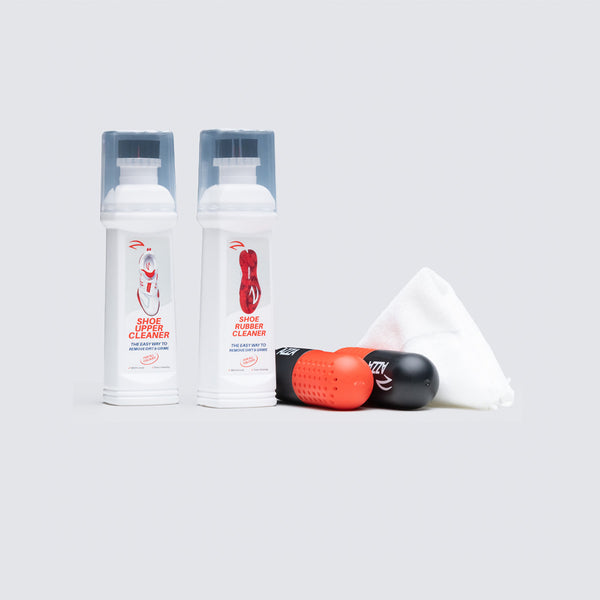
Keep Your Shoes Performing: Dust and floor wax accumulate on fencing-shoe outsoles every session, killing grip on the piste. A proper shoe-cleaning kit restores friction and extends shoe life by 30 %+.
Shop Shoe Cleaning Kits Shop Fencing ShoesFencing shoe maintenance
Fencing shoes provide the lateral support and grip your footwork depends on. Proper care doubles their effective life:
- Cleaning: Brush off dust after each session with a soft-bristle brush. Wipe the upper with a damp cloth, never soak the shoe (water destroys the midsole foam adhesive).
- Outsole care: Use a shoe-cleaning kit to remove embedded dust and floor wax from the outsole. Clean outsoles grip the strip 30–50 % better.
- Drying: Air dry in a ventilated area. Never use direct heat (radiators, dryers, sun): heat warps the midsole and cracks the upper.
- Inspection: Check soles and uppers for wear monthly. Replace shoes when the lateral reinforcement breaks down or the outsole tread is gone.
Quality matters: the higher the build quality, the easier the maintenance. Azza Fencing shoes are designed for high-frequency competitive use: durable upper materials, non-marking rubber soles and breathable mesh that reduces odour. A damp cloth or mild detergent is all you need for routine cleaning.
Fencing socks, lamé and electrical components
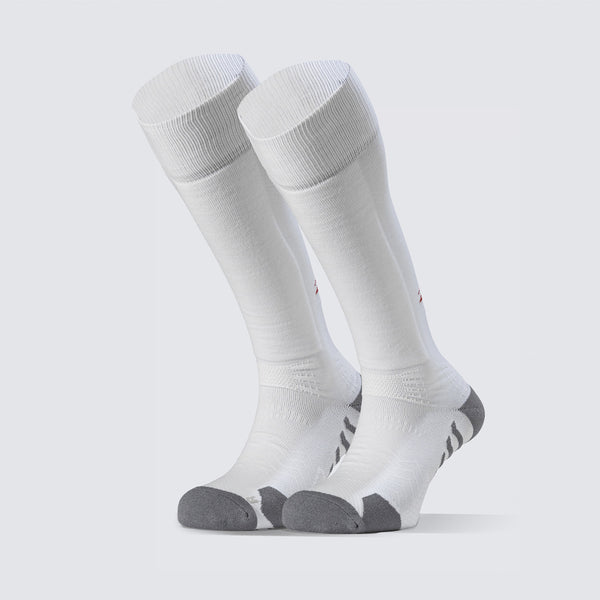
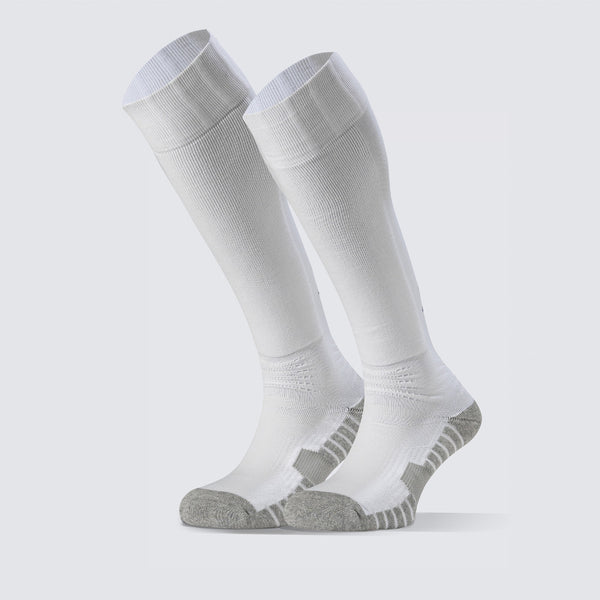
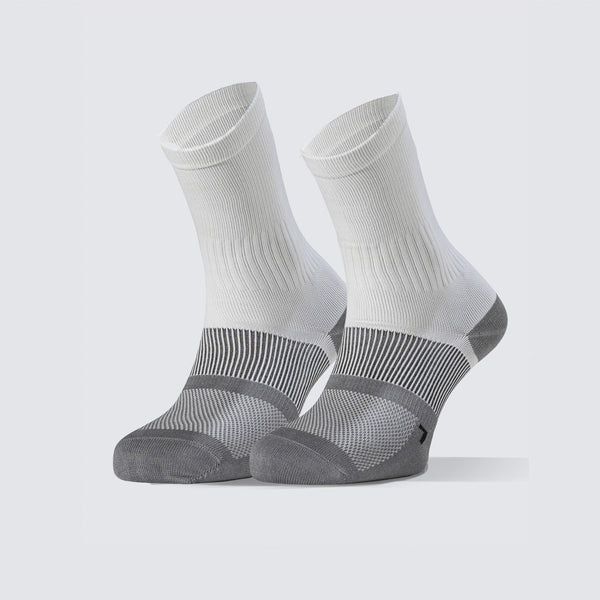
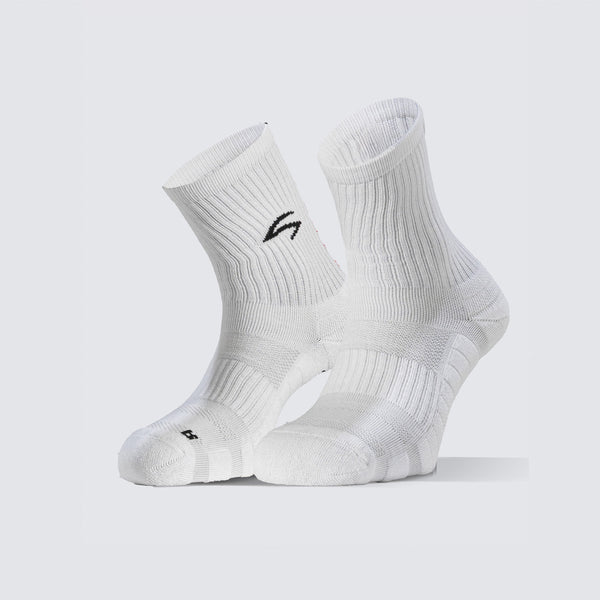
- Fencing socks: Wash inside-out in a mesh bag with mild detergent. No fabric softener: it kills the elastic. Air dry; tumble drying shortens lifespan.
- Lamé (electric jacket): Hand wash only in cold water with mild detergent. The conductive thread degrades in machine washing. Check continuity with a body cord before every tournament.
- Body cords and mask cords: Coil loosely (never tight loops: kinks break internal wires). Test continuity monthly.
How to store fencing equipment
- Air everything out after each session: Never zip damp gear into the bag: it accelerates corrosion and bacteria growth.
- Store blades horizontally: Standing weapons upright with weight on the tip slowly bends the blade.
- Cool, dry place: Avoid garages and damp basements. Bedroom temperature is ideal.
- Off-season: Wash everything before long storage. A silica-gel packet inside the bag prevents moisture buildup.
Frequently asked questions about fencing gear maintenance
Can you machine-wash fencing gear?
Yes for jackets, knickers, plastrons, socks and training apparel: cold or warm water, mild detergent, no bleach, no fabric softener. Hand wash only for gloves and lamés (the conductive thread in a lamé doesn't survive machine washing). Never machine wash fencing shoes or masks.
How do you sanitise a fencing mask without damaging it?
Wipe the interior padding after every use with a damp cloth (water or diluted mild detergent). For deeper cleaning monthly, use a 1:10 white vinegar solution on the inner padding, then rinse with a damp cloth and air dry completely. Avoid alcohol sprays: they degrade the foam padding. Some masks have removable washable liners that simplify hygiene massively.
How often should you replace a fencing blade?
Competition blades typically last 6–18 months of heavy use before they should be retired. Replace immediately if you see deep nicks, a permanent bend you can't straighten, or rust pitting along the blade. Maraging steel blades (FIE-rated) last longer than standard steel. Always replace a blade after a snap, never try to repair it.
How do you store fencing equipment long-term?
Wash and fully air-dry everything before long-term storage. Store blades horizontally (never tip-down), apply a thin oil film to non-stainless blades, place a silica-gel packet inside the bag, and keep the bag in a cool dry room (not a garage or attic). Hang lamés flat rather than folded; folds eventually crack the conductive thread.
How do you clean fencing shoes?
Brush off dust after each session, wipe the upper with a damp cloth, and use a dedicated shoe-cleaning kit on the outsole to restore grip. Never machine wash, never use direct heat, never soak. Stuff with newspaper if they get wet from rain. With this routine, quality fencing shoes typically last 12–24 months of regular competitive use.
Where to source maintenance supplies and replacements
- Shoe cleaning kits and aftercare: Azza Fencing shoe cleaning kits.
- Replacement fencing shoes: Azza Fencing shoes (adults + kids).
- Replacement socks & apparel: Long fencing socks and training apparel.
- Weapons, masks, lamés, body cords: A specialist fencing armoury or your club's preferred supplier.
A 5-minute care routine after every session in 2026 will easily double the working life of your fencing equipment. Clean it, dry it, store it properly, and inspect it regularly. Good maintenance isn't glamorous, but it's the difference between gear that supports you for years and gear that fails you at the worst moment.