

Fencing Shoe Sizing & Fit Guide: How They Should Fit
Getting the size right is the difference between a shoe that disappears under you and one you fight all session. Fencing puts unusual demands on fit: your front foot slams forward on every lunge while your back foot anchors and pivots, so a shoe that is even half a size off will either crush your toes or let your heel float. This guide explains how a fencing shoe should fit, whether they run true to size, and how to measure for the right pair, including for growing children.
How a fencing shoe should fit

A correctly fitted fencing shoe is snug through the midfoot and heel, with a small amount of room at the toes. You want about a thumbnail's width (roughly 5 to 10 mm) between your longest toe and the end of the shoe, because the foot slides forward under the force of a lunge and your toes must not hit the front. At the same time, the heel should be locked with no lift when you push off, and the midfoot should feel held rather than loose.
If the heel slips, the shoe is too big or laced too loosely; if your toes touch the front on a lunge, it is too small. Azza shoes use an ergonomic, extended heel-counter wrap and reinforced sidewalls precisely so that, once sized correctly, the foot stays seated through the lunge and recovery instead of sliding around.
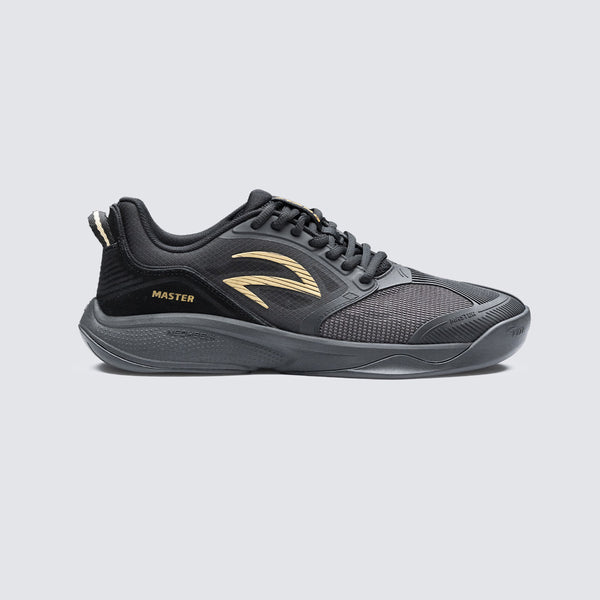
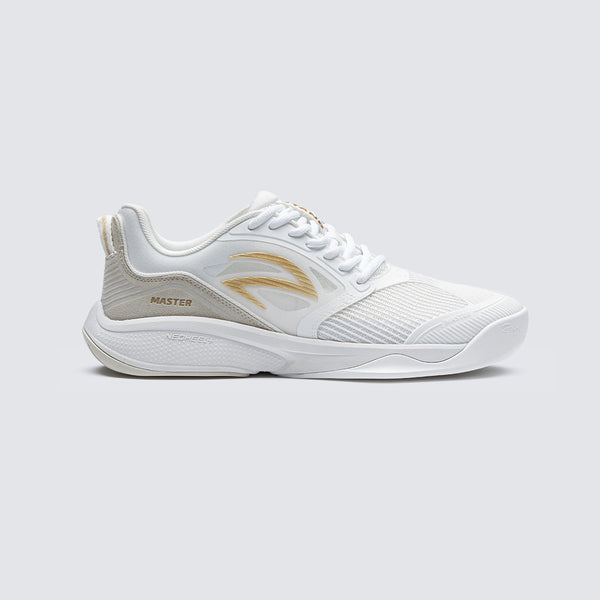
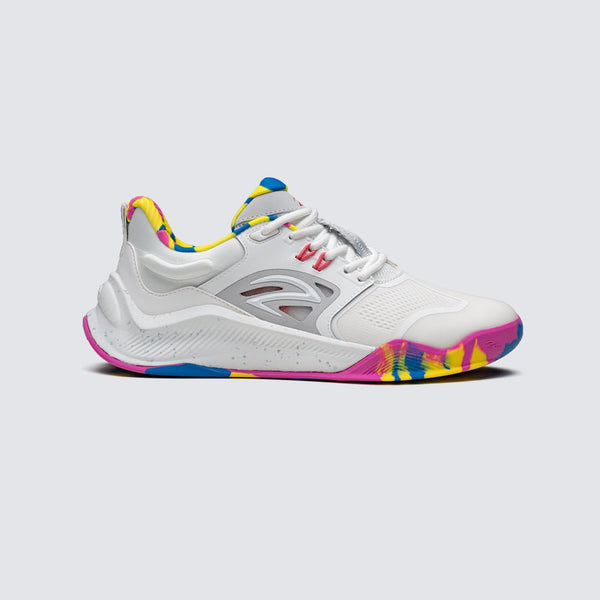
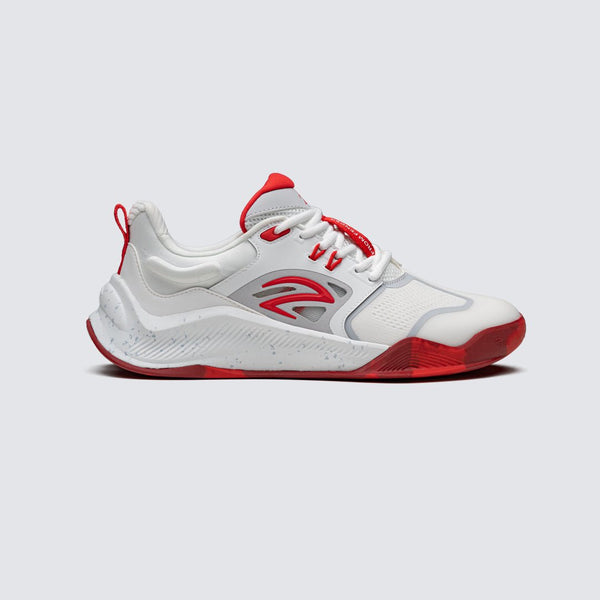
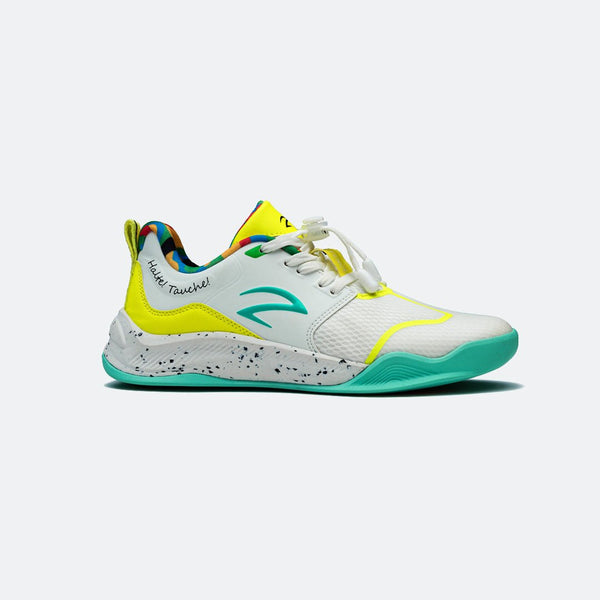
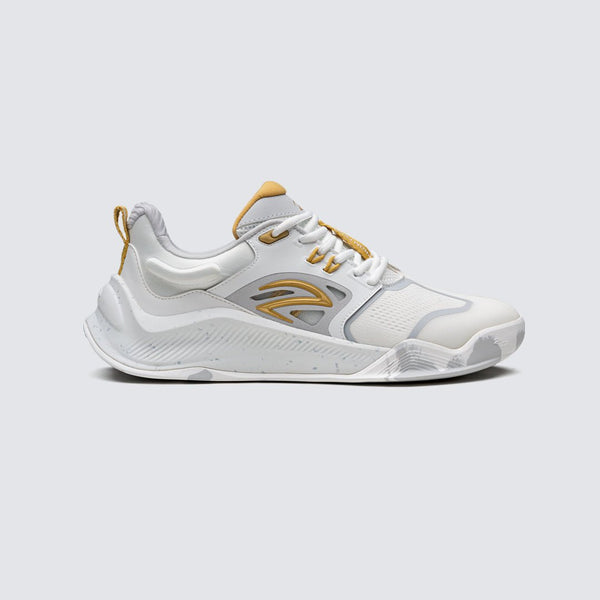
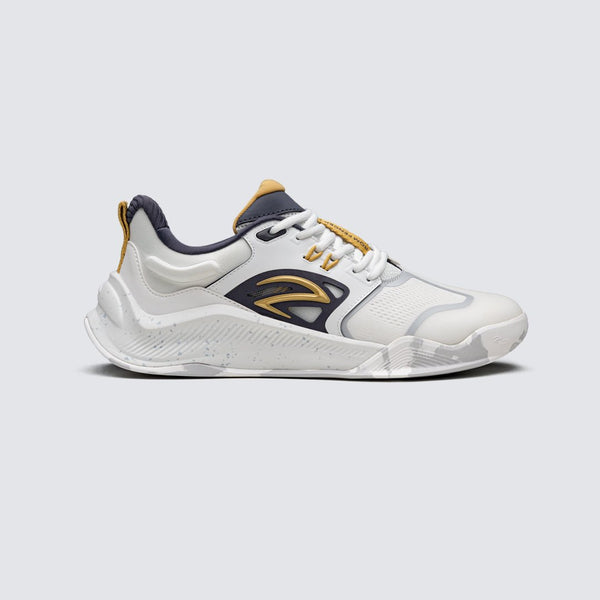
Do fencing shoes run true to size?
Azza fencing shoes are built on a true-to-size last, so most fencers take their normal athletic-shoe size. Two things are worth knowing. First, fencing shoes are designed to fit closer than a running shoe, because a snug fit is what gives you control, so do not size up out of habit. Second, sizing is in EU sizing across the range, so if you usually buy in UK or US sizing, check the conversion on the size chart rather than guessing.
The adult 15/14 line runs EU 36 to EU 47 and the flagship Master extends to EU 48, both unisex, so there is no separate men's or women's size scale to convert between. Always confirm against the adults size chart before ordering.
How to measure your feet

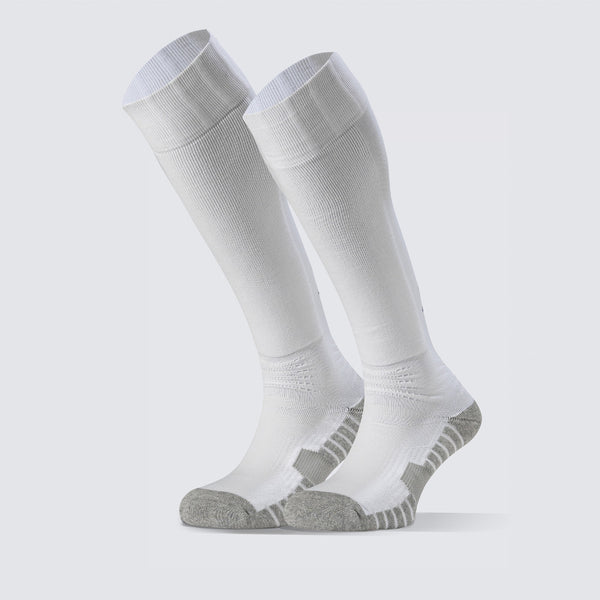
Measure in the evening, when your feet are at their largest, and while wearing the fencing socks you will actually compete in, since a thick technical sock changes the fit. Stand on a sheet of paper, mark the back of your heel and the tip of your longest toe, and measure the distance in centimetres. Do both feet and use the larger measurement, because most people have one foot slightly bigger than the other. Then match that length to the size chart rather than relying on the size printed in your everyday trainers.
If you are between sizes, go up rather than down: a fraction of extra length is easy to manage with lacing and the right sock, whereas a too-short shoe will bruise your toes on the lunge.
Wide and narrow feet
Because Azza shoes hold the midfoot and heel firmly, wide-footed fencers should size to length first and use lace tension to fine-tune the midfoot, rather than buying a longer shoe to gain width. Narrow-footed fencers usually find the secure heel counter and structured upper lock the foot well at true size. For a deeper breakdown by foot type and weapon, see our best fencing shoes 2026 guide.
Sizing kids' fencing shoes

Children's feet grow fast, and the temptation is to buy big so the shoes last. For fencing, resist it. An oversized shoe lets the foot slide on the lunge, which kills control and invites blisters and rolled ankles. Aim for the same thumbnail of toe room as an adult, no more, and check the fit every couple of months during growth spurts. The kids' 5/4 Rookie runs in junior EU sizes; confirm the fit on the kids size chart and browse the range in kids' fencing shoes.
When to replace them
Beyond outgrowing them, replace fencing shoes when the outsole grip wears smooth in the braking zones or the heel-drag area breaks through, because at that point the shoe no longer brakes or protects the way it should. Keeping the soles clean extends that life considerably.
Ready to find your size?
Measure both feet, fit to your longer foot in the sock you compete in, and stay true to size for control. When you are ready, the full athlete-designed range, from the everyday 15/14 to the flagship Master, lives in adults fencing shoes. Every model is designed by our founder, Azza Besbes, a three-time Olympian and three-time world medallist, from the biomechanics of the sport.