
Common Mistakes to Avoid When Starting Fencing
Fencing is a thrilling blend of physical agility, strategic thinking and precise technique. However, beginners often make avoidable mistakes that slow progress, build bad habits or even cause injury. Recognising these pitfalls early lets you train more effectively and build a strong foundation. This article covers the most common errors new fencers make, why they happen and how to correct them.
Mistake 1: Neglecting footwork
Many beginners focus on blade actions while overlooking footwork. Without solid movement skills, even the best bladework fails.
Solution: dedicate specific practice time to advances, retreats, lunges and recoveries. Our ultimate guide to fencing footwork walks through the patterns step by step.
Mistake 2: Overextending on the lunge
Extending too far compromises balance and slows recovery, leaving you vulnerable.
Solution: lunge only as far as your form allows, keeping your weight controlled.
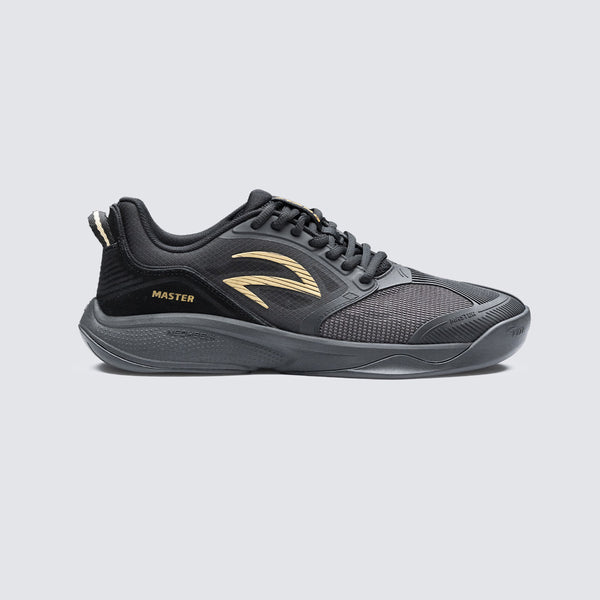
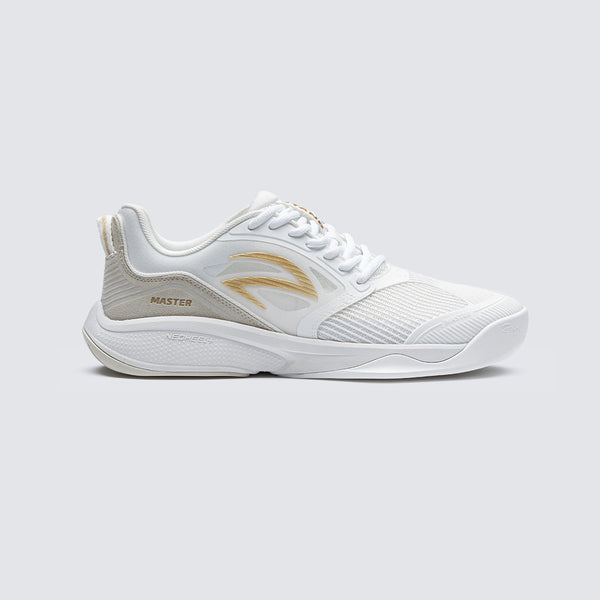
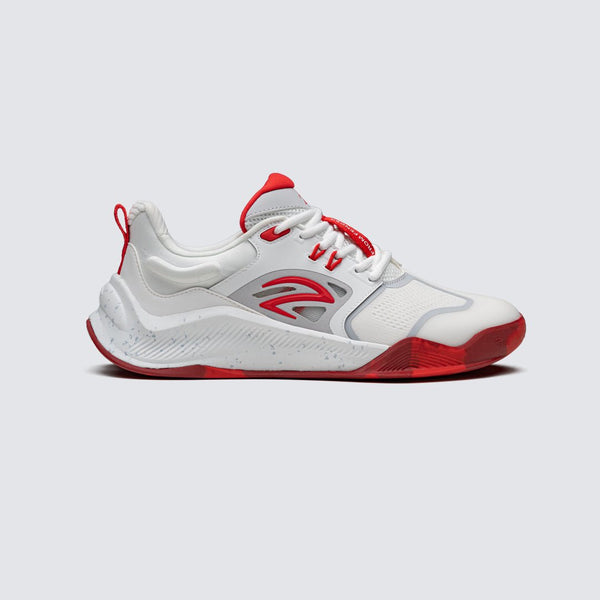
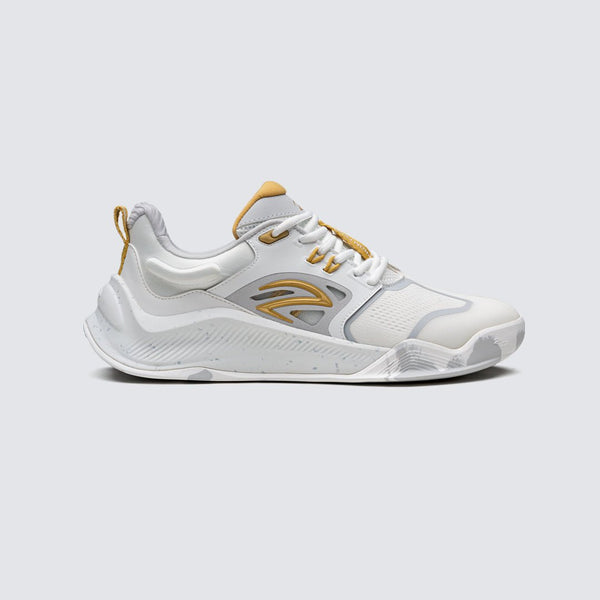
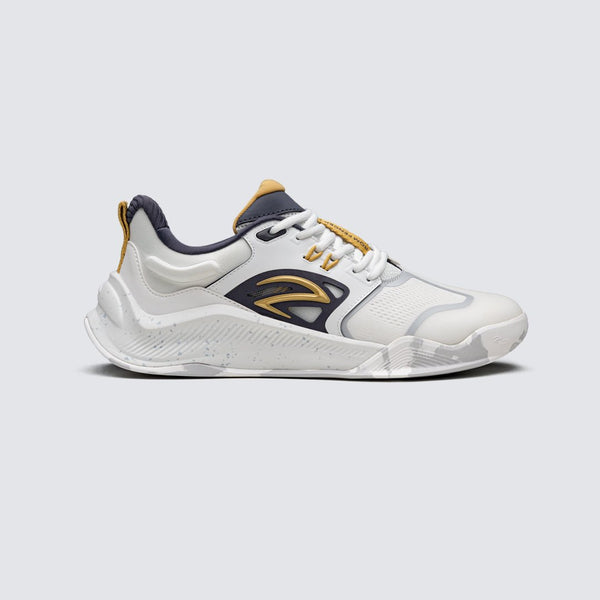
Footwork starts with your feet: standard trainers lack the heel protection and lateral grip fencing lunges need. Protect your joints and prevent slipping with the right footwear.
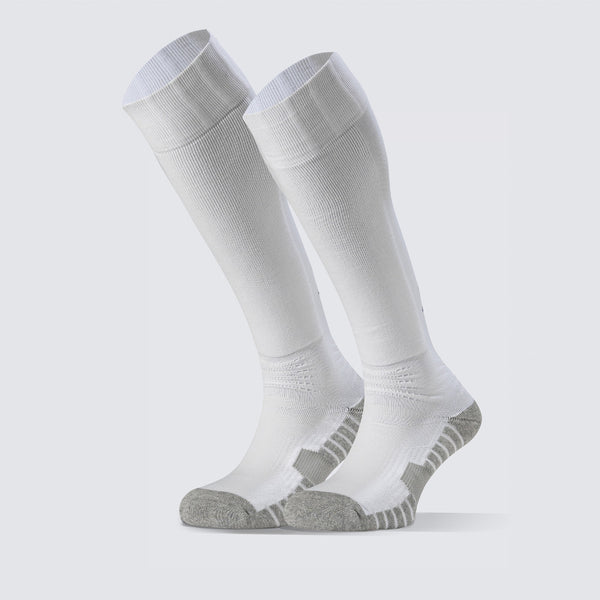
Shop Adults Fencing Shoes Shop Kids Fencing Shoes Explore Fencing SocksMistake 3: Holding the weapon too tightly
A tense grip reduces blade speed and fluidity.
Solution: hold firmly enough for control but relaxed enough for quick changes of direction.
Mistake 4: Ignoring distance
Beginners often get too close or stay too far, missing scoring opportunities.
Solution: learn to gauge and adjust distance constantly during bouts.
Mistake 5: Being predictable
Repetitive movements make it easy for opponents to anticipate you.
Solution: mix up your attacks, feints and defensive moves.
Mistake 6: Forgetting to breathe
Holding your breath increases tension and fatigue.
Solution: practise steady breathing during drills so it becomes automatic.
Mistake 7: Skipping warm-ups
Cold muscles are more prone to injury.
Solution: spend at least 10 to 15 minutes warming up before fencing. See our guide on how to warm up properly.
Train comfortably: high-intensity drills and warm-ups will make you sweat. Stay flexible and cool down fast with technical apparel.
Explore Active Wear Get a Cooling Towel
Avoiding common beginner mistakes accelerates learning, improves safety and builds better long-term habits. By focusing on footwork, distance, breathing and unpredictability, you become a more confident and effective fencer. The discipline that keeps these habits consistent is worth building early; see our guide on discipline and focus in fencing practice.