

The Role of Nutrition in Fencing Performance
Fencing is not just a physical workout; it demands speed, agility, focus and endurance. Training hones these skills, but nutrition provides the fuel. Because bouts mix explosive movements with periods of recovery, the sport places both anaerobic and aerobic demands on the body, so adequate energy and fluid intake are essential. A well-designed diet improves reaction time, sustains energy and speeds recovery, while poor nutrition leaves fencers fatigued and unfocused.
Why nutrition matters in fencing
High-intensity sport demands bursts of power and sustained concentration. Balanced macronutrients maintain stamina and cognitive function, while proper meal timing supports recovery and reduces injury risk. Key reasons:
- Fuel for explosive actions and endurance: short, high-intensity bouts need quick energy, but competitions run long, so both quick and sustained fuel matter.
- Sharper decision-making: the brain needs a steady supply of glucose and hydration to maintain focus and reaction time.
- Recovery and injury prevention: protein and healthy fats repair muscle and regulate inflammation, while micronutrients support bone health and oxygen transport.



Energy demands and macronutrient balance
Fencers balance carbohydrates, protein and fat to the sport's demands. Elite fencing-nutrition guidelines recommend roughly 7 to 11 g of carbohydrate per kilogram of body weight daily, 1.5 to 2 g of protein per kilogram, and 25 to 30% of daily energy from essential fats. Eating within an hour after training helps restore glycogen and reduces injury risk.
Carbohydrates for energy
Carbohydrates are the primary fuel for lunges, feints and quick retreats. Complex carbohydrates (whole grains, sweet potatoes, oats) provide steady energy when eaten 2 to 3 hours before practice.
Protein for recovery
Protein repairs and rebuilds muscle. Good sources include lean meats, fish, legumes, tofu and dairy. A protein-carbohydrate snack within 30 minutes after practice jump-starts recovery.
Healthy fats for endurance
Fats provide long-lasting energy and support joint health. Omega-3s in particular reduce inflammation. Nuts, seeds, avocados and olive oil are strong choices.
Micronutrients and hydration
Iron and oxygen transport
Iron supports oxygen transport, energy production and cognition; deficiency causes fatigue and slower recovery. Include lean red meat, poultry, leafy greens and fortified cereals, and pair plant-based iron with vitamin C to boost absorption.
Magnesium and electrolyte balance
Magnesium helps maintain the balance of calcium, potassium and sodium in muscle cells, supporting contraction and reducing cramp risk. Nuts, seeds, whole grains and dark chocolate are good sources.
Hydration for focus and reaction time
Even mild dehydration impairs performance: a 2% loss of body weight can compromise exercise capacity, and losses above 5% reduce work capacity substantially. Drink around 500 ml of water two hours before training and keep hydrating during and after bouts.
Practical nutrition tips
Pre-bout meals
- Eat a balanced meal of complex carbohydrate, moderate protein and minimal fat 2 to 3 hours before competing, such as oatmeal with berries and nuts.
- Stay hydrated through the day and drink about 500 ml two hours before fencing.
During training and competition
- For sessions over an hour, sip electrolyte drinks or water to replace fluids and minerals.
- Between multiple bouts, refuel with easily digestible carbohydrate (a banana or wholegrain bread) and a little protein.
Post-training recovery
- Have a protein-carbohydrate snack within 30 minutes, like Greek yogurt with fruit or a milk-and-banana smoothie.
- Rehydrate with water and electrolyte-rich drinks.
Common nutrition mistakes
- Skipping breakfast before morning training.
- Relying on sugary snacks for quick energy, which cause crashes.
- Neglecting hydration during tournaments or long sessions.
- Forgetting post-practice nutrition, delaying muscle repair.
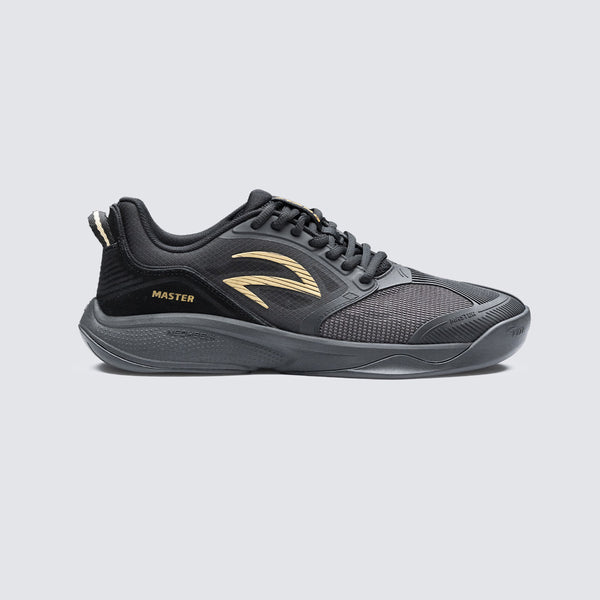
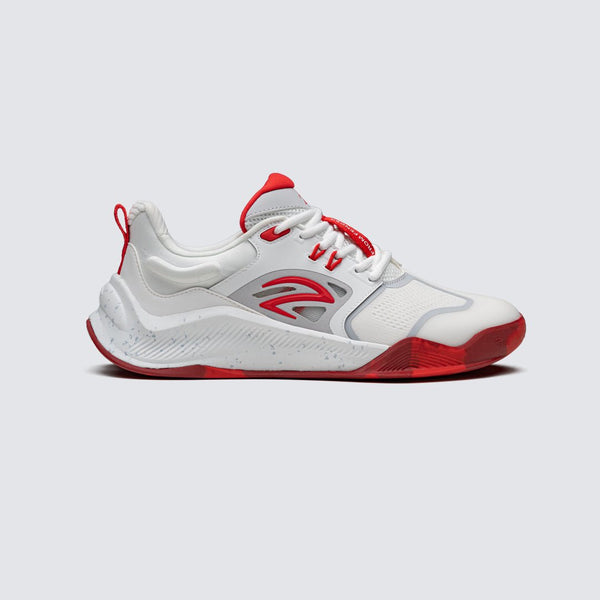
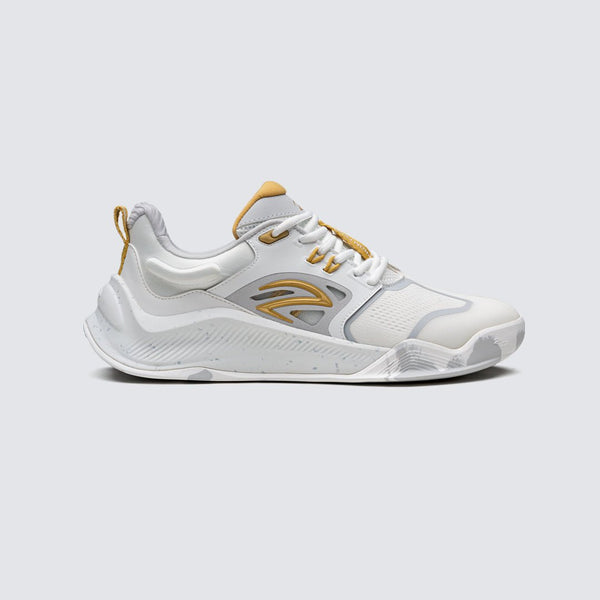
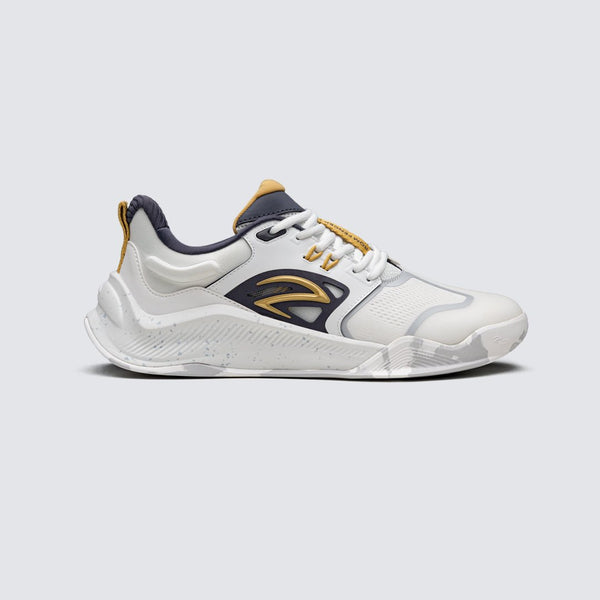
Nutrition is a powerful performance tool. A diet rich in complex carbohydrates, lean protein, healthy fats and key micronutrients fuels explosive movement, sustains endurance and supports recovery. Pair smart eating with a proper warm-up routine, and read more on the wider benefits of fencing. When you train hard, dependable fencing shoes help convert that energy into clean, confident footwork.