

Blessures en escrime : ce qu’elles sont et comment les éviter
Les règles structurées de l'escrime et l'équipement de protection en font l'un des sports de combat les plus sûrs. Cependant, comme dans toute activité sportive, des blessures peuvent survenir, surtout si vous négligez un échauffement adéquat, oubliez la technique ou forcez trop sans récupération suffisante. Ce guide explique les blessures d'escrime les plus courantes et partage des stratégies pratiques pour les prévenir afin que vous puissiez profiter du sport pendant des années. Pour les statistiques cliniques sur ces blessures, consultez notre article compagnon sur les blessures courantes en escrime et comment les prévenir.
Pourquoi les blessures d'escrime surviennent-elles ?
Asymétrie et surutilisation
L'escrime est intrinsèquement asymétrique. Votre bras dominant et votre jambe avant effectuent la majeure partie du travail tandis que le côté non dominant joue un rôle de soutien. Avec le temps, ce déséquilibre exerce une pression inégale sur les articulations et les muscles. Les actions répétitives comme les parades, les coups de poignet et les fentes soumettent également les tendons du poignet, de l'épaule et du genou à de fortes sollicitations. Sans entraînement équilibré et repos adéquat, ces tissus s'irritent ou s'enflamment.
Préparation insuffisante
Passer à côté d'un échauffement approprié laisse les muscles froids et moins réactifs. Un échauffement dynamique avec des mouvements courts et progressifs comme des balancements de jambes, des cercles de bras et des fentes en marchant prépare vos muscles et articulations aux efforts rapides que demande l'escrime. Les étirements statiques sont mieux réservés après la pratique. Notre routine complète se trouve dans le guide sur comment s'échauffer correctement et prévenir les blessures.
Charge d'entraînement et fatigue
Se pousser sans variété ni récupération suffisante conduit à des blessures de surutilisation. Un programme équilibré de renforcement, de flexibilité, de travail d'équilibre et de progression graduelle de la charge développe la résilience. Surveillez les douleurs qui persistent au-delà de 72 heures et ajustez en conséquence. Le cross-training avec des activités à faible impact comme la natation ou le vélo apporte un bénéfice cardiovasculaire sans stress supplémentaire sur les articulations.

Les blessures courantes en escrime et comment les prévenir
Entorses de la cheville
Les fentes rapides et les changements de direction brusques peuvent faire tourner une cheville. Réduisez le risque en travaillant la stabilité de la cheville et l'équilibre : les appuis sur une jambe, les exercices sur planche d'équilibre et les montées de mollets renforcent les muscles de soutien. La corde à sauter ou l'échelle d'agilité améliorent la coordination et renforcent le jeu de pieds.
Douleurs au genou
Les fentes répétées et les changements soudains de direction sollicitent le genou et les tendons environnants. Concentrez-vous sur la technique de la fente : gardez le genou aligné avec les orteils et évitez qu'il ne s'effondre vers l'intérieur ou que vous ne penchiez trop en avant. Renforcez les jambes et le tronc, intégrez des jours de repos et portez des chaussures d'escrime avec un bon amorti pour réduire l'impact.
Douleurs au poignet et à l'épaule
La surutilisation due aux mouvements répétitifs de la lame peut provoquer une tendinite. Ajoutez à votre routine des exercices pour renforcer l'adhérence et des étirements doux des avant-bras et des épaules, renforcez la coiffe des rotateurs et le haut du dos, évitez de serrer trop fort l'arme et reposez-vous après des séances intenses.
Déséquilibres du dos et musculaires
Parce que l'escrime met l'accent sur un côté du corps, des déséquilibres se développent dans le tronc et le dos. Les exercices avec la main non dominante, le renforcement bilatéral (planches, squats, soulevés de terre) et les étirements complets du corps aident à équilibrer la musculature. Le yoga ou le Pilates améliorent la posture et la symétrie.
Ampoules et irritations cutanées
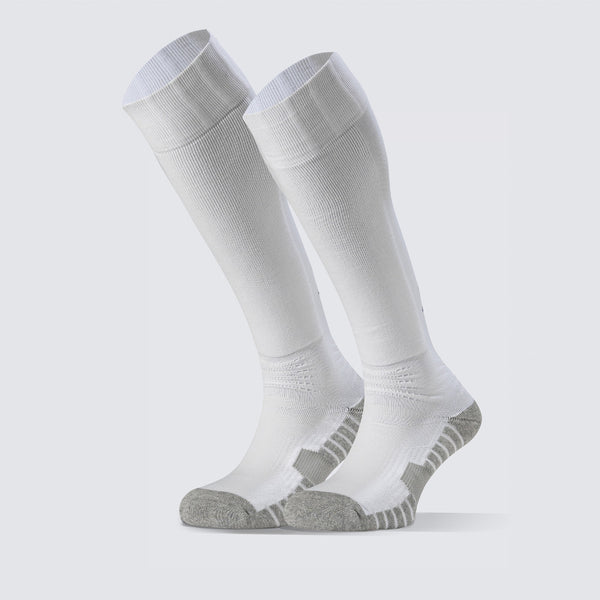
Les ampoules aux mains ou aux pieds peuvent devenir douloureuses si elles sont ignorées. Assurez-vous que les chaussures d'escrime et les gants sont bien ajustés et en bon état. Des chaussettes qui évacuent l'humidité et des pansements anti-ampoules ou du ruban adhésif sportif sur les zones sensibles préviennent les frottements.
Prévention efficace
Échauffez-vous intelligemment
Commencez chaque séance par dix minutes de mouvements dynamiques : montées de genoux, balancements de bras et fentes latérales augmentent progressivement le rythme cardiaque et préparent les muscles. Réservez les étirements statiques plus longs pour après l'entraînement.
Développez une force et une agilité équilibrées
Ajoutez chaque semaine des exercices d'équilibre et de résistance : squats sur une jambe, sauts latéraux, exercices pour le tronc et fentes pliométriques. Faites du cross-training avec du cardio à faible impact et utilisez des exercices à l'échelle d'agilité pour affiner le jeu de pieds et la coordination.
Reposez-vous et récupérez
Le repos est aussi important que l'entraînement. Prévoyez au moins un jour complet de repos chaque semaine et surveillez la fatigue ou les douleurs persistantes. Le sommeil, la nutrition et les techniques de récupération comme le foam rolling ou le massage aident le corps à guérir et à s'adapter.
Vérifiez votre équipement et vos chaussures d'escrime
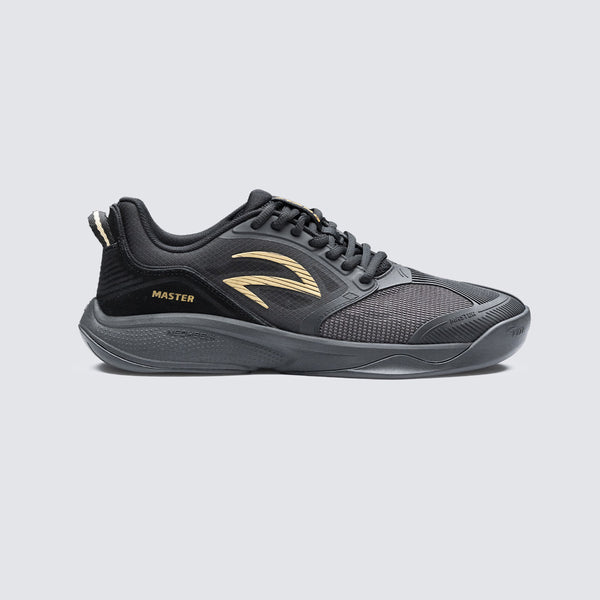
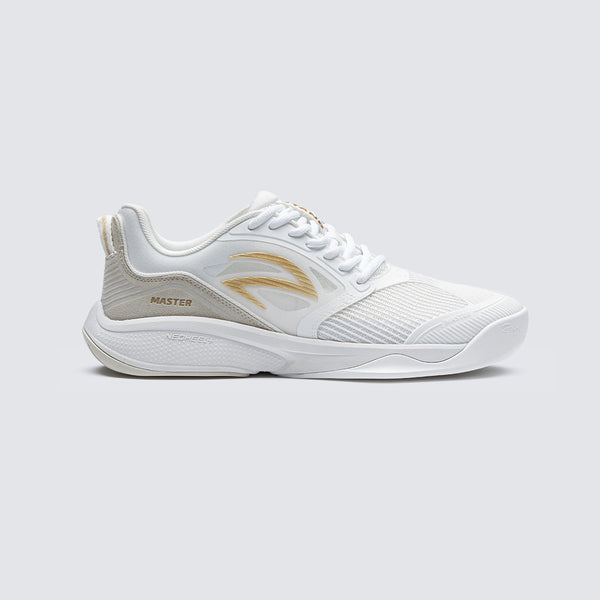
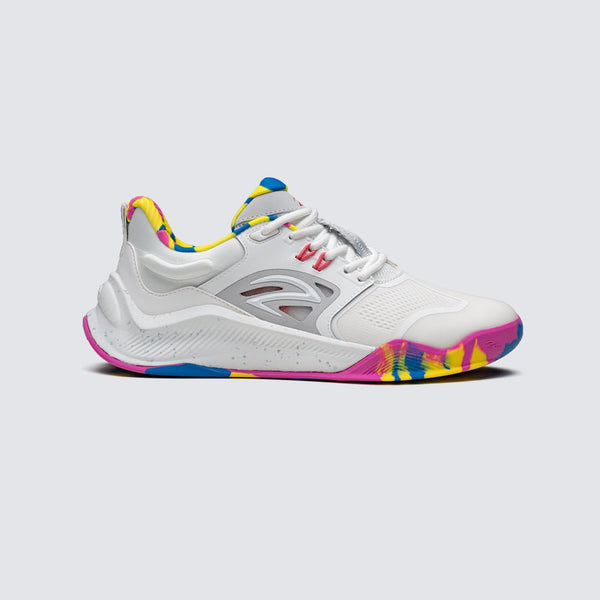
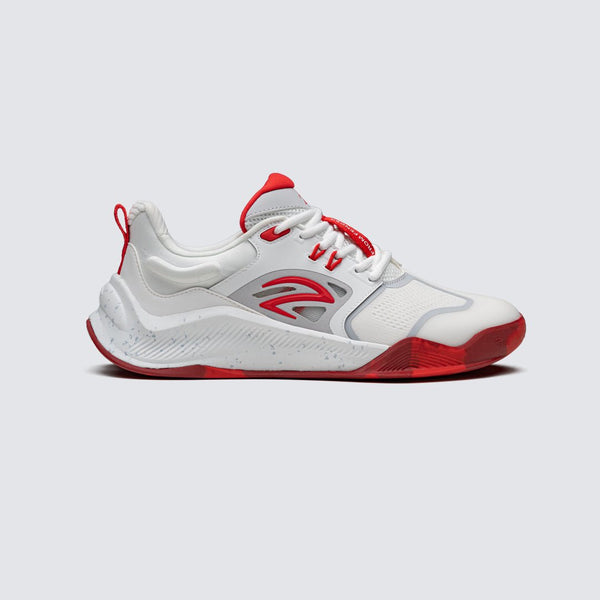
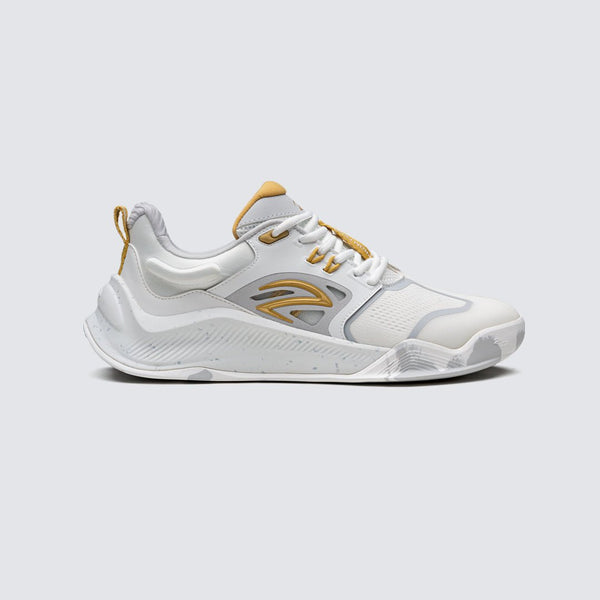
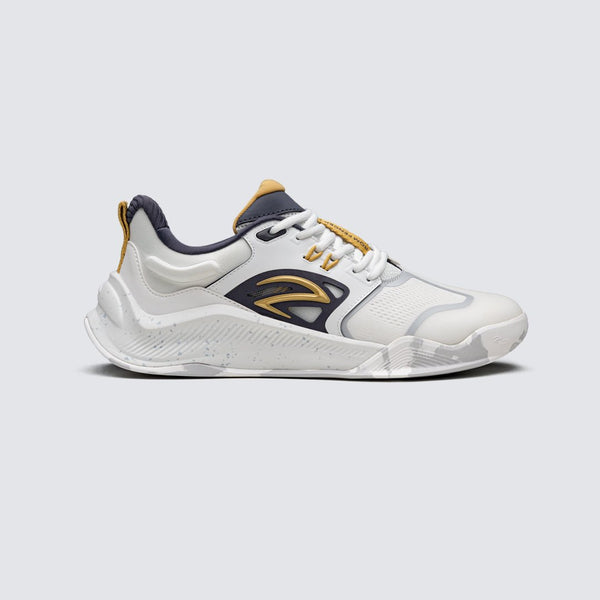
Les chaussures d'escrime jouent un rôle important dans la prévention des blessures. Des chaussures avec un bon amorti et un soutien de la cheville réduisent l'impact sur les articulations lors des fentes et des changements rapides de direction. Les chaussures d'escrime Azza sont conçues par des escrimeurs professionnels pour offrir stabilité, confort et protection, afin que les athlètes puissent se concentrer sur la technique plutôt que sur des pieds douloureux.
Les blessures en escrime sont largement évitables grâce à une préparation et un entraînement réfléchis. En pratiquant la bonne technique, en équilibrant vos séances, en laissant du temps pour la récupération et en choisissant un équipement adapté, vous pouvez profiter du sport tout en minimisant les contretemps, et rester sur la piste pendant de nombreuses années.